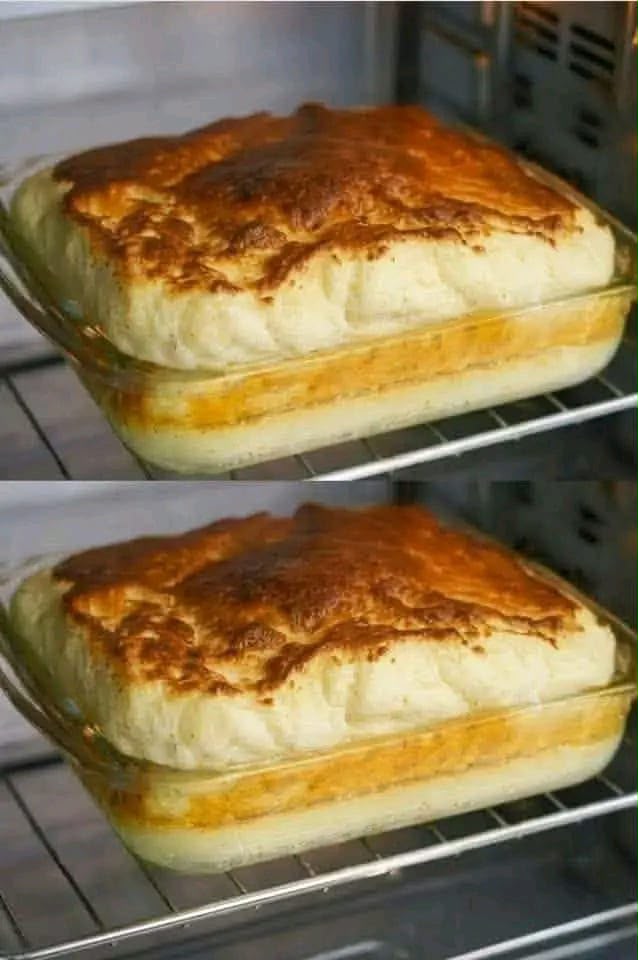
Fluffy Cheese Soufflé Bake
A beautifully golden, wonderfully airy cheese soufflé made with cheddar, mozzarella and whipped egg whites. This comforting oven-baked dish combines a delicate, cloud-like texture with a rich, savoury cheese flavour.
Introduction
Few homemade dishes are as impressive as a fluffy cheese soufflé bake emerging from the oven with a tall, golden crown. Its beautifully risen surface, delicate texture and warm cheesy aroma make it a wonderful addition to any breakfast, brunch or family meal.
This classic-inspired cheese soufflé begins with a smooth butter, flour and milk sauce. Cheddar and mozzarella melt into the mixture, creating a rich and creamy base that provides plenty of flavour without making the finished dish unnecessarily heavy.
The secret to its remarkable height is the egg whites. By whipping them until stiff peaks form and gently folding them into the cheese mixture, you introduce tiny air bubbles that expand as the soufflé bakes. The result is a beautifully puffed dish with a delicate interior.
Unlike a traditional cheese casserole, which is usually dense and firm, this fluffy cheese soufflé bake has a lighter, more tender consistency. Its golden crust provides a gentle contrast to the soft, savoury centre.
Although soufflés have a reputation for being difficult, the process is approachable when each stage is followed carefully. Preparing the cheese sauce properly, beating the egg whites to the correct consistency and avoiding unnecessary oven-door opening all help produce a successful bake.
Serve this cheese soufflé fresh from the oven for a special weekend breakfast, a cosy brunch or a light evening meal alongside a crisp green salad. It is simple enough for home cooks but elegant enough to make an ordinary meal feel special.
Recipe Overview
- Recipe Name: Fluffy Cheese Soufflé Bake
- Category: Breakfast, Brunch, Light Main Course
- Style: French-inspired savoury soufflé
- Preparation Time: Approximately 20 minutes
- Cooking Time: 30–35 minutes
- Total Time: Approximately 50–55 minutes
- Servings: Approximately 4–6
- Oven Temperature: 375°F (190°C)
- Cooking Method: Oven baking
- Baking Dish: Medium ovenproof dish
- Difficulty: Moderate
- Main Ingredients: Eggs, milk, cheddar, mozzarella, butter and flour
The preparation time and serving yield are estimates, as the original recipe does not specify them. The exact rise and cooking time will depend on the depth and material of your baking dish.
Why You’ll Love This Recipe
- Beautifully fluffy texture: Whipped egg whites create a soft, airy soufflé that feels light and delicate.
- Rich cheese flavour: Cheddar provides a satisfying savoury taste while mozzarella adds a gentle creaminess.
- Golden oven-baked topping: The surface becomes attractively browned while the centre remains tender.
- Everyday ingredients: The recipe uses familiar kitchen staples without complicated specialist ingredients.
- Perfect for brunch: It makes an inviting centrepiece for a relaxed weekend meal.
- Flexible serving options: Enjoy it alone or pair it with vegetables, salad or toasted bread.
- Impressive presentation: Its tall, puffed appearance makes it memorable when served straight from the oven.
- Useful baking technique: The recipe teaches simple skills that can be used in other light baked dishes.
Ingredients
These are the original ingredients and quantities for the fluffy cheese soufflé bake.
Eggs and Dairy
- 4 large eggs, separated
- 1 cup milk (approximately 240 ml)
- 3 tablespoons unsalted butter (approximately 42 g)
- 1½ cups shredded cheddar cheese
- ½ cup shredded mozzarella cheese
Flour and Seasonings
- 3 tablespoons all-purpose flour (plain flour)
- ¼ teaspoon salt
- ¼ teaspoon black pepper
- ¼ teaspoon garlic powder
- Pinch of paprika
Ingredient Notes
Large Eggs
Eggs provide the structure and lift that distinguish a soufflé from an ordinary cheese bake. The yolks enrich the sauce, while the whipped whites create the delicate air pockets responsible for the impressive rise. Separate the eggs carefully so that no yolk contaminates the whites.
Milk
Milk creates the creamy base of the soufflé. Whole milk is a useful choice because it provides richness without overwhelming the cheese flavour. Add it gradually to the cooked flour and butter mixture to avoid lumps.
Unsalted Butter
Butter forms the foundation of the sauce and contributes a gentle, rich flavour. Unsalted butter also allows better control over the finished seasoning.
Plain Flour
Flour thickens the milk sauce, helping it support the cheese and egg yolks. Cooking the flour briefly in melted butter removes its raw taste before the milk is introduced.
Cheddar Cheese
Cheddar supplies most of the savoury cheese flavour. A medium or mature cheddar works well, depending on how pronounced you want the finished taste to be. Grating cheese from a block can help it melt smoothly.
Mozzarella Cheese
Mozzarella contributes a mild, creamy quality that balances the stronger cheddar. Low-moisture shredded mozzarella is preferable to very wet fresh mozzarella because excess moisture may affect the consistency.
Salt and Black Pepper
These seasonings enhance the cheese without hiding its natural flavour. Remember that cheddar can already be quite salty, so the original small quantity of added salt is sensible.
Garlic Powder
A little garlic powder adds a subtle savoury background flavour and combines naturally with the melted cheeses.
Paprika
A pinch of paprika introduces gentle warmth and a touch of colour. Sweet paprika is a suitable choice for this recipe.
Equipment You’ll Need
- Medium ovenproof baking dish
- Medium saucepan
- Balloon whisk
- Electric hand mixer or stand mixer
- Two mixing bowls
- Flexible silicone spatula
- Measuring cups and spoons
- Cheese grater, if using block cheese
- Oven gloves
A baking dish with reasonably straight sides helps support a more even rise. Avoid overfilling the dish because the soufflé needs space to expand.
Step-by-Step Instructions
Step 1: Preheat the Oven
Preheat your oven to 375°F (190°C). Generously butter a medium baking dish, coating the bottom and sides carefully. Place an oven rack in a suitable central position so that the soufflé has enough room to rise without touching the top of the oven.
Step 2: Melt the Butter
Place a medium saucepan over medium heat and add the 3 tablespoons of unsalted butter. Allow it to melt gently without browning.
Step 3: Cook the Flour
Add the 3 tablespoons of flour to the melted butter. Whisk continuously for approximately 1 minute until the mixture becomes smooth and slightly bubbly.
Step 4: Add the Milk
Slowly pour in the milk while whisking constantly. Continue stirring until the sauce becomes smooth and slightly thickened. The consistency should be creamy rather than watery.
Step 5: Add the Cheese and Seasonings
Remove the saucepan from the heat. Stir in the shredded cheddar, mozzarella, salt, black pepper, garlic powder and paprika. Continue mixing until the cheese has melted and the sauce is smooth.
Step 6: Incorporate the Egg Yolks
Let the cheese mixture cool for a few minutes so it is no longer very hot. Add the egg yolks one at a time, whisking well after each addition. This gradual process helps prevent the yolks from cooking into small lumps.
Step 7: Whip the Egg Whites
Place the egg whites in a separate clean, dry bowl. Using an electric mixer, beat them until stiff peaks form. The whites should hold their shape when the beaters are lifted, but they should not look dry or grainy.
Step 8: Fold the Mixtures Together
Add a small portion of the beaten whites to the cheese base and fold gently. Continue incorporating the remaining whites in several additions, using a spatula to lift the mixture from the bottom and turn it over carefully. Avoid vigorous stirring, which can release the trapped air.
Step 9: Fill the Baking Dish
Pour the soufflé mixture into the prepared baking dish. Gently smooth the top without pressing down. The mixture should have some room to expand above its initial level.
Step 10: Bake Until Golden and Puffed
Place the dish in the preheated oven and bake for 30–35 minutes without opening the oven door during the main rising stage. The soufflé should become dramatically puffed with a deeply golden surface. The centre should be softly set rather than visibly liquid. If it needs more time, continue baking briefly while monitoring the colour.
Step 11: Serve Immediately
Remove the dish carefully using oven gloves. Bring it straight to the table and serve while the top is still tall and the interior is warm and fluffy. Some settling after removal from the oven is entirely normal.
How to Make a Smooth Cheese Sauce
The cheese sauce is the flavourful foundation of this soufflé. Its consistency plays an important role in supporting the whipped egg whites and producing a tender finished texture.
Begin by melting the butter over moderate heat. Once the flour is added, keep whisking so that every particle becomes coated in butter. The mixture should cook briefly without developing significant colour.
When adding the milk, pour it gradually rather than all at once. Whisking continuously helps disperse the flour evenly and produces a smooth sauce. Once it thickens, remove the pan from the heat before adding the cheese.
Cheddar can become oily or grainy when subjected to excessive heat, so allowing it to melt into the hot sauce away from direct heat helps preserve a creamy consistency.
Finally, make sure the sauce has cooled slightly before introducing the yolks. A warm mixture is suitable, but a piping-hot sauce may begin cooking the yolks before the soufflé reaches the oven.
How to Whip and Fold Egg Whites
The beaten whites provide much of the lift in this fluffy cheese soufflé bake. Their preparation is one of the most important stages of the recipe.
Start with a completely clean mixing bowl and beaters. Even a small amount of grease or egg yolk can interfere with the formation of a stable foam.
Beat the whites until they reach stiff peaks. When the beaters are raised, the foam should stand upright and retain its shape. Stop mixing before the whites become excessively dry, separated or grainy.
To fold them into the cheese mixture, begin with a small amount to loosen the base. Add the remaining whites gradually, sliding a flexible spatula down the side of the bowl, underneath the mixture and back over the top.
Rotate the bowl as you work. This folding action distributes the ingredients without crushing all the air bubbles that you worked to create.
A few tiny streaks of white are less concerning than excessive mixing. The goal is an evenly distributed, airy batter rather than a completely deflated mixture.
How to Achieve a Beautiful Rise
A successful soufflé rises as the moisture in the batter turns to steam and the trapped air expands in the oven. The egg proteins gradually set around these expanding bubbles, giving the soufflé its temporary height.
Preheating the oven thoroughly is important. A poorly heated oven can delay the structure setting, producing an uneven rise or a heavy centre.
Choosing the right dish also matters. A medium dish with enough headroom helps the soufflé rise attractively. A very wide, shallow dish may produce a flatter result, while an overly small dish may overflow.
Avoid opening the oven door early in the baking process. Sudden temperature changes can cause the delicate rising structure to lose height before it has set.
Even when everything is done correctly, the soufflé will naturally settle after baking. This is a normal characteristic of soufflés, not necessarily a sign of failure. Serve it immediately to enjoy its most dramatic presentation.
Expert Cooking Tips
- Measure ingredients before starting. Having everything ready makes the process smoother, especially once the egg whites are beaten.
- Use fresh eggs. Eggs that are in good condition help provide a dependable foam and pleasant flavour.
- Separate eggs carefully. Keep yolks completely out of the whites for easier whipping.
- Use a grease-free bowl. Clean equipment is essential for building stable egg-white peaks.
- Cook the flour briefly. This improves the sauce flavour without turning the base into a browned roux.
- Add milk slowly. Gradual additions make it easier to whisk away lumps.
- Remove the sauce from direct heat before adding cheese. Excessive heat may create a grainy texture.
- Cool the base slightly before adding yolks. This helps prevent unwanted scrambling.
- Do not overbeat the whites. Dry, grainy foam is more difficult to incorporate smoothly.
- Fold gently. Preserve as much air as possible when combining the two mixtures.
- Butter the dish thoroughly. This helps prevent sticking as the soufflé expands.
- Leave space for rising. Avoid filling the dish to the very top.
- Keep the oven closed during the early bake. Stable heat supports a more even rise.
- Serve promptly. The soufflé is at its lightest and most impressive immediately after baking.
Common Mistakes to Avoid
1. Using a Greasy Mixing Bowl
Fat prevents egg whites from whipping efficiently. Wash and dry the bowl and beaters thoroughly before starting.
2. Adding Egg Yolks to Very Hot Sauce
Excessive heat can cause the yolks to curdle. Allow the cheese base to cool slightly before incorporating them.
3. Leaving Lumps in the Flour Mixture
Adding milk too quickly may produce a lumpy sauce. Introduce the milk gradually while whisking.
4. Overheating the Cheese
High heat may make melted cheese separate. Remove the saucepan from direct heat before stirring in the cheddar and mozzarella.
5. Overbeating the Egg Whites
Whites that become dry and grainy are difficult to fold into the sauce. Stop when they hold firm, glossy peaks.
6. Stirring Instead of Folding
Rapid stirring releases air from the beaten whites. Use gentle folding movements to retain the light texture.
7. Using the Wrong Baking Dish
An overly small dish can overflow, while a very broad dish may limit the visible height. Choose a suitable medium-sized ovenproof dish.
8. Opening the Oven Too Early
Rapid temperature changes may interfere with the soufflé’s structure before it is set. Leave the door closed during the main rising period.
9. Baking Until the Centre Is Completely Dry
Overbaking can make the texture rubbery. Look for a softly set centre with no visibly liquid batter.
Optional Variations
The original recipe is delicious as written. The following are optional changes for future batches rather than ingredients required for the main recipe.
1. Gruyère Cheese Soufflé
Replace some of the cheddar with grated Gruyère for a nuttier, more traditional French-inspired flavour.
2. Parmesan Cheese Soufflé
Replace a small portion of the cheddar with finely grated Parmesan to introduce extra savoury depth.
3. Herb Cheese Soufflé
Fold a little finely chopped fresh chives or parsley into the cheese base before adding the whipped whites.
4. Mild Cheese Soufflé
Use mild cheddar instead of mature cheddar for a softer flavour that may appeal to younger family members.
5. Spicy Cheese Soufflé
Add a small pinch of cayenne pepper or use hot paprika in place of the original paprika.
6. Spinach Cheese Soufflé
Fold in a small amount of cooked, well-drained spinach. Squeeze away excess moisture to help preserve the light texture.
7. Mustard Cheese Soufflé
Add a small amount of Dijon mustard to the sauce for a gentle sharpness that complements the cheddar.
Serving Suggestions
This fluffy cheese soufflé bake is best served as soon as it comes out of the oven. Its soft, airy texture pairs particularly well with fresh ingredients and simple accompaniments.
With a Green Salad
Serve alongside crisp lettuce, cucumber and a light lemon dressing. The refreshing acidity balances the rich cheese.
With Roasted Tomatoes
Warm roasted tomatoes add sweetness and a gentle tang that complements the savoury soufflé.
With Toasted Bread
A slice of crusty toasted bread provides a pleasant texture contrast and makes the dish feel more substantial.
For Weekend Brunch
Pair the soufflé with fresh fruit, a simple salad and freshly brewed tea or coffee for a relaxed brunch spread.
As a Light Dinner
Serve with steamed green beans, roasted asparagus or lightly dressed mixed leaves for a satisfying evening meal.
Storage and Reheating
Refrigerating Leftovers
A cheese soufflé is best eaten immediately, but leftovers can be saved. Allow the dish to cool briefly, then transfer portions to an airtight container and refrigerate promptly, within two hours of cooking. Use within 2–3 days.
Reheating in the Oven
Place leftover portions in an ovenproof dish and cover loosely with foil. Reheat at approximately 325°F (160°C) until thoroughly hot throughout. The soufflé will not regain its original height, but it can still taste delicious.
Reheating in the Microwave
For a quicker option, microwave individual portions in short intervals until piping hot throughout. Expect a softer, denser texture than the freshly baked version.
Can You Freeze It?
Freezing is possible, but it is not ideal. The delicate structure usually becomes denser after thawing and reheating. For the best texture, enjoy the soufflé freshly baked.
Can You Make It Ahead?
You can grate the cheese, measure the dry ingredients and prepare the baking dish ahead of time. However, it is best to whip the egg whites, combine the mixture and bake shortly before serving.
Frequently Asked Questions
1. What makes a cheese soufflé rise?
Air trapped in beaten egg whites expands with the heat of the oven. Steam also contributes to the lift, while egg proteins gradually set to support the structure.
2. Why does my soufflé collapse?
All soufflés naturally lose some height after baking. Excessive collapse can also result from underbaking, overmixing or sudden temperature changes.
3. Can I use only cheddar cheese?
Yes. For an optional variation, you can replace the mozzarella with additional cheddar, although the flavour will be stronger and the texture may change slightly.
4. Can I use only mozzarella?
It is possible, but the soufflé will have a milder flavour. Cheddar contributes much of the savoury character of the original recipe.
5. Can I use skimmed milk?
Yes, although whole milk generally produces a richer sauce. The finished texture may be slightly less creamy with skimmed milk.
6. Do I need an electric mixer?
An electric mixer makes whipping egg whites much easier. A hand whisk can work, but it requires more time and effort.
7. How do I know when egg whites reach stiff peaks?
When you lift the beaters, the whites should form peaks that stand upright and retain their shape without collapsing immediately.
8. Why is my soufflé dense?
A dense soufflé may result from underwhipped egg whites, vigorous mixing, an overly heavy cheese base or insufficient oven heat.
9. Can I open the oven door while baking?
Avoid opening it during the main rising stage. You may check carefully towards the end if the soufflé needs additional baking time.
10. What baking dish should I use?
A medium ovenproof dish with reasonably straight sides is suitable. It should have enough capacity for the mixture to expand without overflowing.
11. Can I use a glass baking dish?
Yes, provided it is oven-safe at the required temperature. Glass dishes may heat differently from ceramic or metal, so monitor the finished texture.
12. How long should I bake the soufflé?
The original recipe specifies 30–35 minutes at 375°F (190°C). The exact time depends on the dish dimensions and oven performance.
13. How do I know when it is cooked?
The top should be beautifully puffed and golden, while the centre should be softly set without visibly liquid batter. Avoid baking until completely dry.
14. Can I add vegetables?
Yes. Small amounts of cooked, well-drained vegetables can be added as an optional variation. Excess moisture may make the soufflé heavier.
15. Can I prepare the batter the night before?
It is not recommended. The whipped whites gradually lose air, which can reduce the rise. Assemble the mixture shortly before baking.
16. Can I make individual soufflés?
Yes, using smaller buttered ovenproof ramekins. They will usually need a shorter baking time, so monitor their rise and doneness carefully.
17. Is a soufflé the same as a cheese casserole?
No. A soufflé relies on whipped egg whites for its airy structure, whereas many cheese casseroles are made with a denser egg or bread-based mixture.
18. Why is the top brown but the centre still soft?
A tender centre is normal, but it should not be liquid. If the soufflé is still undercooked, continue baking briefly and monitor it carefully.
19. Can I reheat leftover soufflé?
Yes. Reheat refrigerated portions until thoroughly hot, although the original airy texture and height will not return.
20. Is this recipe suitable for beginners?
Yes, especially for beginners willing to practise whisking egg whites and gentle folding. Following the temperature and timing instructions carefully makes the process manageable.
Complete Recipe Card
Fluffy Cheese Soufflé Bake
A light and savoury cheese soufflé featuring a creamy cheddar and mozzarella base, whipped egg whites and a beautifully golden, puffed top.
- Category: Breakfast, Brunch, Light Main Course
- Method: Baking
- Prep Time: Approximately 20 minutes
- Cook Time: 30–35 minutes
- Total Time: Approximately 50–55 minutes
- Servings: Approximately 4–6
- Oven: 375°F (190°C)
Ingredients
- 4 large eggs, separated
- 1 cup milk
- 3 tablespoons unsalted butter
- 3 tablespoons all-purpose flour
- 1½ cups shredded cheddar cheese
- ½ cup shredded mozzarella cheese
- ¼ teaspoon salt
- ¼ teaspoon black pepper
- ¼ teaspoon garlic powder
- Pinch of paprika
How to Make
- Preheat the oven to 375°F (190°C) and generously butter a medium baking dish.
- Melt the butter in a saucepan over medium heat.
- Add the flour and whisk for about 1 minute.
- Slowly pour in the milk while whisking until the mixture becomes smooth and slightly thick.
- Remove from the heat and stir in the cheddar, mozzarella, salt, black pepper, garlic powder and paprika until the cheese melts.
- Let the mixture cool for a few minutes, then whisk in the egg yolks one at a time.
- In a separate clean bowl, beat the egg whites until stiff peaks form.
- Gently fold the egg whites into the cheese mixture in several additions, keeping as much air as possible.
- Pour the mixture into the prepared baking dish and smooth the top gently.
- Bake for 30–35 minutes without opening the oven door during the main rising stage, until dramatically puffed, deeply golden and softly set in the centre.
- Serve immediately while the soufflé is tall, fluffy and warm with a soft cheesy centre.
Recipe Notes
- Use a clean, grease-free bowl for whipping egg whites.
- Allow the cheese base to cool slightly before adding the yolks.
- Fold rather than stir to preserve the airy texture.
- Use an ovenproof dish with sufficient space for rising.
- Serve straight away for the best appearance and texture.
- The estimated preparation time and yield may vary depending on the baking dish and equipment.
Hashtags: #CheeseSouffle #CheesyBake #EasyBrunchRecipes #HomemadeCooking #ComfortFood
Final Thoughts
This fluffy cheese soufflé bake shows how a handful of familiar ingredients can become something truly special. The creamy cheese base, delicate whipped eggs and beautifully browned top create a comforting dish that looks impressive without requiring complicated ingredients.
With careful folding and a well-preheated oven, you can enjoy a wonderfully light and savoury soufflé that’s perfect for breakfast, brunch or a simple family dinner. Serve it fresh, enjoy its golden crust and savour every soft, cheesy bite.
Have you tried making this fluffy cheese soufflé bake? Share your results in the comments, save the recipe for your next brunch and follow along for more delicious homemade recipes.