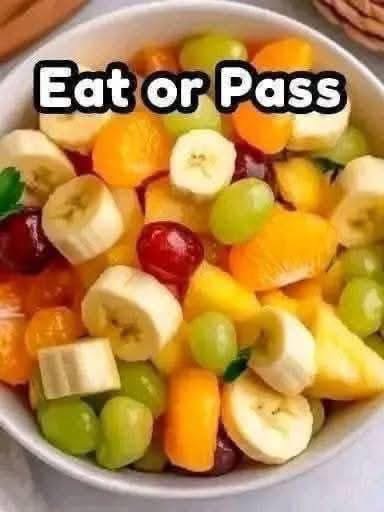
The Ultimate Masterclass on Fresh Fruit Salad
1. Introduction
A fresh fruit salad is a vibrant celebration of natural flavors, brilliant colors, and dense nutrients gathered into a single culinary presentation. Far more than a casual combination of produce, a properly built fruit salad represents a harmonious balance of texture, sweetness, and acidity. It serves as an open canvas for seasonal harvesting, a centerpiece for social gatherings, and a cornerstone of health-conscious dining.
This guide provides an exhaustive, multi-chapter exploration of the fresh fruit salad. We will scale up a baseline recipe into a grand culinary display, tracking its cultural history, biological structures, structural mechanics, physical formation principles, health benefits, and complete nutritional profiles. Whether you are assembling a simple afternoon snack or a large-scale event centerpiece, understanding the science and art of combining raw fruits will transform your approach to this classic culinary preparation.
2. History and Evolution of Fruit Salads
Ancient Beginnings
The concept of mixing diverse fruits together with light dressings dates back to ancient Mediterranean and Asian civilizations.
- The Roman Empire: Romans frequently combined fresh fruits with honey, vinegar, and indigenous herbs. They valued raw produce as both a digestive aid and a symbol of luxury during multi-course banquets.
- Ancient China: Sliced melons, citrus, and stone fruits were often lightly seasoned with ginger or plum reductions to balance thermal properties according to traditional wellness philosophies.
The Renaissance and Baroque Eras
During the 15th through 17th centuries, European royal courts used elaborate fruit displays to signal wealth and global reach. Exploration and expanding trade networks brought exotic elements—such as pineapples from the Americas and citrus variations from Asia—directly into European culinary spheres. Royal chefs began macerating local berries and stone fruits in cordials, fortified wines, and infused sugars, moving the dish closer to modern dessert presentations.
The 19th Century and the “Ambrosia” Era
The 1800s marked a major turning point due to industrial developments in preservation and shipping. The invention of commercial canning and refrigerated rail transit allowed populations far from tropical zones to access exotic fruits year-round. In late 19th-century America, this gave rise to Ambrosia, a popular variation that layered oranges, pineapples, canned mandarins, and shredded coconut, often set in heavy creams or marshmallow meringues.
Modern Culinary Applications
Today, the fresh fruit salad has returned to its roots, focusing on unprocessed, whole-food ingredients. Modern chefs emphasize clean knife cuts, seasonal sourcing, and light dressings made from raw citrus and fresh herbs. The goal is to celebrate the natural integrity of each fruit rather than hiding it under heavy synthetic syrups or dairy toppings.
3. The Core Ingredients
To construct a balanced and expansive salad, ingredients are categorized by their structural roles, texturing traits, and flavor profiles.
Primary Foundation Fruits (The Anchor Layer)
- Bananas: Provide a rich, creamy texture and a reliable baseline sweetness. They act as a natural binding element that softens the bite of crisper fruits.
- Green Grapes: Deliver a firm, crunchy snap and a clean, tart acidity that contrasts with softer textures.
- Red Grapes: Offer a deep, jammy sweetness along with polyphenols that add visual contrast to the bowl.
Accent and Amplification Fruits (The Expansion Group)
To scale this recipe into a premium presentation, incorporate these secondary components:
- Citrus (Oranges, Mandarins, Clementines): Supply bright, watery bursts of juice and essential citric acids that help preserve other fruits.
- Berries (Strawberries, Blueberries, Raspberries): Introduce deep red and blue tones, delicate textures, and a balance of sweet and earthy flavors.
- Tropical Highlights (Pineapple, Kiwi, Mango): Bring tropical aromas and proteolytic enzymes that slice through the richness of denser fruits.
- Stone Fruits (Peaches, Nectarines, Plums): Offer a soft, velvety chew and distinct floral undertones during peak summer months.
4. Comprehensive Ingredients List
The metric and imperial breakdowns below are optimized for a large, multi-serving gathering.
The Base Component
- Bananas (Ripe but Firm): 4 medium | 480 grams
- Green Grapes (Seedless): 2 cups | 300 grams
- Red Grapes (Seedless): 2 cups | 300 grams
The Enhanced Medley
- Fresh Strawberries (Hulled and Quartered): 2 cups | 300 grams
- Fresh Blueberries (Whole): 1.5 cups | 225 grams
- Pineapple (Diced into 1/2-inch cubes): 2 cups | 330 grams
- Kiwi Fruit (Peeled and Sliced into half-moons): 3 medium | 225 grams
- Mandarin Oranges (Peeled and Segmented): 3 whole | 250 grams
The Glaze and Herb Dressing
- Freshly Squeezed Lime Juice: 3 tablespoons | 45 milliliters
- Freshly Squeezed Orange Juice: 2 tablespoons | 30 milliliters
- Organic Raw Honey (or Blue Agave Nectar): 2 tablespoons | 42 grams
- Fresh Mint Leaves (Chiffonade ribbon cut): 1/4 cup loosely packed | 5 grams
5. Structural Formation and Botanical Dynamics
Combining different fruits requires managing chemical interactions and structural layouts to keep the salad fresh, crisp, and vibrant.
+-------------------------------------------------------------+

|               STRUCTURAL FORMATION LAYOUT                  |
+-------------------------------------------------------------+

|                                                             |
|   [TOP LAYER]      Delicate Berries & Herb Chiffonade       |
|                    (Raspberries, Blueberries, Mint)         |
|                                                             |
|   [MID LAYER]      Soft & Fibrous Medium Fruits             |
|                    (Bananas, Kiwi, Mandarin Oranges)        |
|                                                             |
|   [BASE LAYER]     Firm, Structural, Non-Porous Fruits      |
|                    (Pineapple Cubes, Whole Grapes)          |
|                                                             |
|   [BOTTOM]         Citrus-Honey Acidic Glaze Reservoir      |
|                                                             |
+-------------------------------------------------------------+
Cellular Integrity and Osmotic Pressure
When fruit tissue is cut, plant cell walls open up, exposing sugars and moisture to the air. Adding sugar or sweet dressings can trigger osmosis, drawing water out of the cells. If left to sit too long, this process wilts the fruit and leaves a pool of juice at the bottom of the bowl. To maintain a crisp texture, firm, non-porous fruits should form the base of the salad, while delicate berries are layered gently on top.
Managing Enzymatic Browning
Bananas, apples, and avocados brown when their polyphenol oxidase enzymes react with oxygen. To stop this reaction, you need to apply an acidic agent with a low pH, like fresh lime or lemon juice. The ascorbic acid (Vitamin C) acts as an antioxidant, neutralizing oxygen molecules before they can tarnish the bright white flesh of the sliced bananas.
Proteolytic Enzyme Control
Pineapple and kiwi contain active proteolytic enzymes, specifically bromelain and actinidin, which break down proteins over time. If you mix these fruits directly with dairy bases (like yogurt or cottage cheese) too far in advance, they will digest the milk proteins and create a bitter flavor. Keep your fruit salads clean and dairy-free during assembly, and only add creamy elements right at the moment of serving.
6. Preparation Methods and Culinary Frameworks
How you slice and prep your fruit directly impacts how the salad tastes and feels. Uniform cuts ensure that every spoonful offers a balanced mix of flavors and textures.
       [Quartered Strawberry]           [Half-Moon Kiwi Slice]
             _  _                            _______
           /  \/  \                         /       \

          |        |                       |    (O)  |
           \      /                         \_______/
            \    /
             \  /                            [Whole Grape]
              \/                                 ___
                                                /   \
       [Diced Pineapple Cube]                  |     |
             _______                            \___/
            /      /|
           /______/ |

           |      | /
           |______|/
Method 1: The Classic Tossed Medley
This method blends all ingredients together into an informal, colorful mixture where the juices mingle into a shared dressing.
- Sanitize Equipment: Wash all cutting boards, knives, and prep bowls thoroughly.
- Wash and Dry Produce: Rinse all grapes, berries, citrus, and kiwis in cold water. Spin or pat them completely dry to prevent excess water from diluting the dressing.
- Core and Cube the Pineapple: Cut off the top crown and base of the pineapple. Slice away the outer rind, remove the fibrous core, and dice the golden flesh into uniform 1/2-inch cubes.
- Prep the Grapes: Pull the red and green grapes from their stems, discarding any bruised fruit. Leave them whole for a crisp snap, or slice them lengthwise to allow their juices to blend into the mix.
- Slice the Kiwis and Strawberries: Peel the kiwis and cut them into thin half-moons. Hull the strawberries and cut them into quarters.
- Process the Citrus: Peel the mandarins and gently separate the segments. Slice away any thick pith to ensure a tender bite.
- Whisk the Dressing: In a separate glass bowl, whisk together the fresh lime juice, orange juice, and raw honey until smooth.
- Slice the Bananas Last: Peel and slice the bananas into 1/4-inch rounds immediately before assembly to minimize exposure to air.
- Combine and Dress: Place the pineapple, grapes, and mandarins into a large glass serving bowl. Add the bananas, kiwis, and strawberries. Pour the citrus-honey dressing over the top and gently fold the mixture with a broad silicone spatula, lifting from the bottom to coat the fruit without bruising it.
- Garnish: Scatter the whole blueberries and fresh mint chiffonade across the top just before serving.
Method 2: The Geometric Layered Glass Display
This method stacks fruits by density and color in a clear glass dish, creating a striking, structured look perfect for formal events.
- Base Layer Deployment: Spread the diced pineapple cubes evenly across the bottom of a clear glass bowl or trifle dish to create a sturdy foundation.
- Second Layer Build: Arrange the whole green grapes over the pineapple, filling any gaps.
- Third Layer Accent: Place the dark red grape halves along the outer wall of the glass for a strong visual contrast.
- Fourth Layer Contrast: Create a bright layer using the orange mandarin segments.
- Fifth Layer Creaminess: Place the sliced banana rounds in a flat, even layer across the center.
- Sixth Layer Vibrancy: Fan out the sliced green kiwis against the glass walls.
- Seventh Layer Topping: Arrange the quartered strawberries and whole blueberries across the top surface.
- Dressing Infusion: Drizzle the honey-lime liquid evenly over the top layer; it will slowly filter down through the fruit layers over time.
- Final Chill: Keep the dish chilled and top with fresh mint right before presenting.
7. Nutritional Architecture and Biochemical Profile
Fresh fruit salad is an excellent source of natural vitamins, essential minerals, and dietary fibers. The profile below details the macronutrients and micronutrients found in a standard 100-gram serving of this enhanced fresh blend.
Macronutrient Matrix (Per 100g Serving)
| Nutrient Component | Value Metric | Percentage Daily Value (% DV) |
|---|---|---|
| Total Caloric Energy | 62 Kilocalories | 3.1% |
| Carbohydrates | 15.2 grams | 5.5% |
| Dietary Soluble/Insoluble Fiber | 2.1 grams | 8.4% |
| Natural Sugars (Fructose/Glucose) | 11.4 grams | Optimal Fuel |
| Total Dietary Protein | 0.8 grams | 1.6% |
| Total Dietary Fats | 0.2 grams | 0.3% |
| Saturated Fatty Acids | 0.01 grams | 0.0% |
| Moisture Content ($H_2O$) | 81.5 grams | High Hydration |
Micronutrient and Vitamin Concentrations
- Vitamin C (Ascorbic Acid) [42.5 mg – 47% DV]: A powerful antioxidant that supports collagen synthesis, boosts immune health, and protects cells from oxidative stress.
- Vitamin A (Beta-Carotene Equivalents) [210 IU – 4.2% DV]: Supports healthy vision, cell growth, and immune function.
- Vitamin K (Phylloquinone) [11.2 mcg – 9.3% DV]: Essential for proper blood clotting and bone mineralization.
- Potassium ($K^+$) [195 mg – 4.1% DV]: An important intracellular electrolyte that helps regulate fluid balance and supports healthy cardiovascular function.
- Folate (Vitamin B9) [14.2 mcg – 3.5% DV]: Assists with nucleic acid synthesis and healthy red blood cell formation.
- Manganese ($Mn$) [0.14 mg – 6.1% DV]: Acts as an essential cofactor for enzymes involved in bone formation and macronutrient metabolism.
8. Physiological and Health Benefits
Regularly enjoying a broad mix of fresh fruits supports several key bodily functions and promotes long-term wellness.
                  +-----------------------------------+

                  |      HEALTH BENEFITS MATRIX       |
                  +-----------------------------------+
                                    |
         +--------------------------+--------------------------+

         |                          |                          |
+------------------+       +------------------+       +------------------+

| CARDIOVASCULAR   |       | DIGESTIVE HEALTH |       | IMMUNE SYSTEM    |
| - Potassium      |       | - Soluble Fiber  |       | - Vitamin C      |
| - Polyphenols    |       | - Insoluble Fiber|       | - Bioflavonoids  |
| - Blood Pressure |       | - Peristalsis    |       | - Phagocytes     |
+------------------+       +------------------+       +------------------+
Enhanced Cardiovascular Wellness
The high levels of potassium found in bananas, citrus, and melons help manage high blood pressure by balancing out sodium in the bloodstream and easing tension in blood vessel walls. At the same time, the polyphenols and anthocyanins in red grapes and blueberries help protect against cholesterol oxidation, supporting overall arterial health.
Optimizing Digestive Processes
This salad delivers a balanced mix of both soluble and insoluble dietary fibers.
- Soluble Fiber: Forms a soft, gel-like substance in the digestive tract that helps slow down sugar absorption and stabilizes glucose levels in the blood.
- Insoluble Fiber: Adds bulk to the stool and encourages smooth muscle contractions (peristalsis) through the intestines, keeping digestion regular.
Strengthening Immune Defenses
High amounts of bioavailable Vitamin C stimulate the production and activity of white blood cells, like phagocytes and lymphocytes. These cells help defend the body against pathogens. Additionally, the natural moisture content in fresh fruit supports cellular hydration and helps maintain healthy mucous membranes.
Cellular Protection and Longevity
The deep pigments in berries and grapes are rich in phytochemicals like resveratrol, ellagic acid, and quercetin. These compounds track down and neutralize free radicals throughout the body, reducing cellular stress and lowering the risk of chronic metabolic conditions over time.
9. For the Fruit Salad Lover: Selection and Variations
For true fruit enthusiasts, a great fruit salad is all about customizing the ingredients to match the season, setting, or occasion.
Seasonal Adaptation Frameworks
- The Winter Citrus Harvest: When summer berries are out of season, pivot to a winter blend of ruby red grapefruit, blood oranges, clementines, pomegranate seeds, and sliced persimmons, dressed with a warm ginger-honey reduction.
- The Spring Renewal Medley: Welcome warmer weather with fresh apricots, sweet cherries, early strawberries, and crisp rhubarb ribbing, tossed with a light lemon-balm infusion.
- The High Summer Abundance: Celebrate the peak of the year by mixing together ripe peaches, nectarines, wild blackberries, blueberries, and sweet yellow watermelon, finished with a fresh basil syrup.
- The Autumn Orchard Blend: Transition into cooler months with crisp gala apples, d’Anjou pears, fresh figs, and toasted walnuts, lightly coated in a maple-cinnamon glaze.
Culinary Enhancements for Enthusiasts
To elevate your fruit salad for a special occasion, consider adding subtle touches of texture or flavor:
- Textural Additions: Toss in toasted sliced almonds, raw pepitas, or chia seeds just before serving to add a satisfying, nutty crunch.
- Herbal Infusions: Experiment with unique herbs by adding finely minced lemongrass, lemon verbena, or fresh thai basil to the dressing.
- Spiced Profiles: Grate fresh ginger directly into the citrus juice, or add a tiny pinch of cayenne pepper to bring out the natural sweetness of tropical fruits like mango and pineapple.
10. Practical Advanced Preparation Tips
Follow these guidelines to keep your large fruit salad looking beautiful and tasting fresh for hours.
- Cut with Sharp Knives: Always use a very sharp chef’s knife or utility knife. Dull blades crush the delicate cell structures of fruit, which squeezes out juices and causes the fruit to spoil faster.
- The Sieve Separation Method: If you need to make the salad more than four hours ahead of time, store the juicy fruits (like pineapples, oranges, and strawberries) in a stainless steel colander nested inside a larger bowl. This lets excess juices drain away so the fruit doesn’t sit in liquid and become mushy.
- Keep Dressing Separate: Whisk your dressing ahead of time and store it in a sealed glass jar. Pour it over the fruit and toss gently just 20 to 30 minutes before your guests arrive.
- Temperature Management: Keep your serving bowl chilled in the refrigerator until the moment you serve it. For outdoor gatherings, place the serving bowl inside a larger dish filled with crushed ice to keep the fruit cold and crisp.
11. Conclusions and Final Culinary Thoughts
The fresh fruit salad remains a timeless favorite because of its simplicity, vibrant colors, and natural nutritional value. By understanding how different fruits interact—from managing enzymes and structural layout to balancing sweet and tart flavors—you can turn a basic bowl of sliced fruit into an elegant, health-boosting culinary display.
When you use fresh, seasonal ingredients and apply clean, careful knife work, you create a dish that looks as beautiful as it tastes. Treat every fruit salad as an opportunity to celebrate the natural sweetness and variety of the harvest, and enjoy the process of sharing a bright, nourishing bowl of goodness with the people around you.
If you want to tailor this further, let me know:
- Would you like to introduce any savory elements (e.g., feta cheese, red onion, chili powder)?
- Do you want to adapt this for a specific dietary restriction (e.g., strict low-glycemic index, honey-free vegan)?
- Should we modify the list to focus entirely on indigenous tropical fruits?