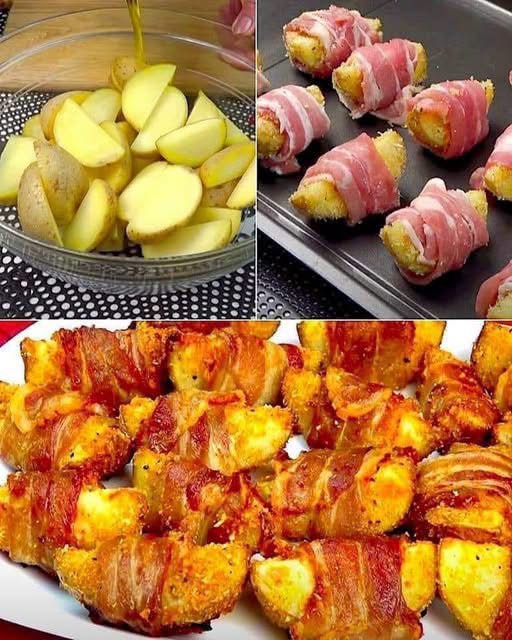
This ultimate, comprehensive guide contains the exact blueprint to mastering your beloved family brunch classic: Homemade Potato Rolls with Bacon. By merging the science of yeast fermentation with rich culinary history, detailed kitchen methods, and comprehensive nutritional analysis, this masterclass manual ensures your next brunch tray disappears even faster.
1. Introduction: The Magic of Potato-Based Baking
The addition of potatoes to yeast dough is a transformative baking technique. Starch molecules from potatoes absorb more water than wheat flour alone, which keeps your baked goods incredibly soft and moist for days. When combined with crispy, savory bacon, it creates the ultimate sweet, salty, and buttery bite.
This recipe yields 24 large, bakery-quality rolls.
2. Comprehensive Ingredients List
Achieving the perfect balance of pillowy crumb and smoky crunch requires precise measurements. For the best accuracy, use a digital kitchen scale.
The Yeast Starter (Leaven)
- Active Dry Yeast: 14 grams (2 standard packets)
- Whole Milk: 240 milliliters (1 cup), warmed to exactly 43°C (110°F)
- Granulated White Sugar: 15 grams (1 tablespoon)
The Potato Mash Base
- Russet Potatoes: 450 grams (approx. 2 medium potatoes), peeled and cubed
- Unsalted Butter: 115 grams (1/2 cup), softened to room temperature
- Reserved Potato Water: 120 milliliters (1/2 cup), cooled to lukewarm
The Main Dough Enrichments
- Bread Flour: 750 to 850 grams (approx. 6 to 7 cups), sifted
- Large Eggs: 2 whole eggs, room temperature
- Granulated White Sugar: 50 grams (1/4 cup)
- Fine Sea Salt: 18 grams (1 tablespoon)
The Savory Bacon Filling & Topping
- Thick-Cut Applewood Smoked Bacon: 450 grams (1 pound), diced
- Sharp Cheddar Cheese: 150 grams (1.5 cups), finely grated (optional)
- Fresh Chives: 15 grams (3 tablespoons), finely chopped
The Finish (Glaze)
- Large Egg: 1 whole egg (for the egg wash)
- Whole Milk: 15 milliliters (1 tablespoon)
- Melted Unsalted Butter: 30 grams (2 tablespoons) for brushing post-bake
3. Formations and Structural Physics
Understanding dough structure is key to getting a light, airy roll rather than a dense, heavy bun.
- The Starch Shield: Potato starch naturally interferes with the tight bonding of wheat gluten. This produces a shorter, more delicate gluten network, giving the rolls their signature “melt-in-your-mouth” texture.
- Gas Retention: A well-kneaded dough forms a stretchy matrix that traps carbon dioxide from the yeast, causing the rolls to rise beautifully in the oven.
- Fat Enrichment: The fats in butter, egg yolks, and bacon grease coat the flour molecules, creating an incredibly tender crumb.
4. Historical Context of Potato Breads
Potato bread making has deep roots in both European and American culinary history:
[18th Century Europe] ───> [Irish Famine Era] ───> [19th Century America] ───> [Modern Brunch]
Flour scarcities prompt    Potato bread becomes    Pioneers adopt potato      Bacon and herbs added
experimental baking.      a nutrient-dense staple.  starters for shelf-life.   for gourmet updates.
- European Scarcity: During the 18th century, wheat shortages across Europe forced bakers to blend mashed potatoes into their dough to stretch their flour supplies.
- Irish Famine Tradition: In Ireland, this technique evolved into traditional regional favorites like potato fadge and barmbrack.
- American Pioneer Adoption: 19th-century American settlers quickly adopted potato starters because the natural sugars kept bread fresh and moist during long wagon journeys without chemical preservatives.
5. Step-by-Step Instructions
Follow these chronological steps for perfect results.
[1. Prep Mash & Bacon] ──> [2. Activate Yeast] ──> [3. Mix & Knead Dough]
          │
          ▼
[6. Bake & Glaze] <─── [5. Shape & Second Rise] <─── [4. First Bulk Fermentation]
Phase 1: Preparing Your Base Elements
- Boil the Potatoes: Place cubed russet potatoes into a medium pot. Cover with cold water. Bring to a boil and cook for 15 minutes until fork-tender.
- Save the Water: Drain the potatoes, reserving 120 milliliters of the starchy cooking water.
- Mash: Mash the hot potatoes thoroughly until completely smooth. Stir in 115 grams of unsalted butter until melted. Let the mixture cool down to room temperature.
- Crisp the Bacon: Cook the diced bacon in a large skillet over medium heat until crispy. Drain on paper towels, keeping 1 tablespoon of the bacon grease for the dough.
Phase 2: Mixing and Kneading
- Bloom Yeast: Whisk the warm milk, 15 grams of sugar, and yeast together in a small bowl. Let sit for 10 minutes until a thick, frothy foam forms on top.
- Combine Wet Ingredients: In a stand mixer fitted with the dough hook, mix the cooled mashed potato base, yeast mixture, remaining sugar, eggs, sea salt, and saved bacon grease.
- Add Flour: Gradually add the bread flour one cup at a time on low speed. Once the dough pulls away from the sides of the bowl, turn the mixer up to medium speed.
- Knead: Knead for 8 to 10 minutes. The dough should feel smooth, soft, and slightly tacky, but not sticky.
Phase 3: Rising and Assembly
- First Rise: Place the dough into a lightly oiled bowl. Cover with a damp towel and let rise in a warm place for 1.5 hours, or until it has doubled in size.
- Incorporate Filling: Punch down the risen dough. Turn it out onto a lightly floured surface and gently roll or press it into a large rectangle.
- Layer: Evenly scatter 3/4 of your crispy bacon, grated cheddar cheese, and fresh chives across the dough.
- Shape: Roll the dough tightly into a long log. Cut into 24 even rounds using a sharp knife or unflavored dental floss.
- Second Rise: Place the rounds onto two parchment-lined baking sheets. Cover lightly and let rise for 45 minutes until puffed and pillowy.
Phase 4: Baking
- Bake: Preheat your oven to 190°C (375°F). Whisk the remaining egg and milk together, then gently brush the wash over the top of each roll. Sprinkle the remaining bacon on top.
- Cool: Bake for 20 to 25 minutes until the tops are a deep golden brown. Remove from the oven and immediately brush with melted butter. Let cool slightly on a wire rack before serving.
6. Advanced Baking Methods & Science
To take your baking skills to the next level, keep these professional techniques in mind:
The Windowpane Test
To check if your dough has been kneaded enough, pinch off a golf-ball-sized piece. Gently stretch it out from the center. If it stretches into a thin, see-through membrane without tearing, your gluten network is perfectly developed. If it rips quickly, keep kneading for another 2 minutes.
Temperature Controls
Yeast is highly sensitive to temperature. Liquids below 38°C (100°F) will slow down fermentation, while temperatures above 54°C (130°F) will kill the yeast entirely. Using an instant-read thermometer ensures your liquids are at the perfect temperature every time.
7. Complete Nutritional Analysis
A detailed look at the nutritional breakdown per single large roll (based on a 24-serving yield):
| Nutrient Element | Value Per Serving | Daily Reference Value (% DV) |
|---|---|---|
| Calories | 285 kcal | 14% |
| Total Fat | 11 g | 14% |
| Saturated Fat | 5.5 g | 28% |
| Trans Fat | 0.2 g | 0% |
| Cholesterol | 48 mg | 16% |
| Sodium | 410 mg | 18% |
| Total Carbohydrates | 36 g | 13% |
| Dietary Fiber | 2 g | 7% |
| Total Sugars | 4 g | — |
| Protein | 9 g | 18% |
8. Health and Dietary Benefits
While these rolls are a rich, comforting treat, they also offer several great nutritional benefits:
- High-Quality Protein: Eggs, milk, and real bacon provide essential amino acids that help repair muscle tissue.
- Sustained Energy: The combination of complex carbohydrates from potato starches and bread flour delivers reliable, long-lasting energy without sudden sugar crashes.
- Essential Minerals: Russet potatoes are naturally packed with potassium and vitamin C, which support healthy blood pressure and boost immune function.
9. Flavor Variations for Baking Enthusiasts
If you want to experiment with different flavor profiles, try these delicious variations:
- The Spicy All-Star: Mix 5 grams of red pepper flakes and diced jalapeños into the dough alongside the bacon filling.
- The Sweet Maple Twist: Drizzle 30 milliliters of pure maple syrup into the warm potato mash base to create a wonderful sweet-and-savory balance.
- The Roasted Garlic Upgrade: Knead 6 cloves of roasted garlic paste directly into the wet ingredients before adding your flour.
10. For True Bread Lovers: Storage and Reheating
Keep your potato rolls tasting bakery-fresh with these storage tips:
- Room Temperature: Keep your rolls in an airtight container for up to 3 days.
- Freezing: Wrap the cooled rolls tightly in plastic wrap, place them in a heavy-duty freezer bag, and freeze for up to 3 months.
- The Reheating Trick: To bring back that fresh-out-of-the-oven softness, wrap your rolls in aluminum foil and warm them in a 160°C (325°F) oven for 8 to 10 minutes.
11. Conclusion: The Ultimate Crowd-Pleaser
Mastering these homemade potato rolls transforms any standard weekend brunch into a memorable family tradition. The secret lies in the simple science of using mashed potatoes to create an incredibly soft, tender dough, paired with the smoky, savory crunch of real bacon. By following this guide, your kitchen will stay filled with the comforting aroma of fresh baking—and your brunch guests will definitely be coming back for seconds.
Would you like to explore drink pairings for your next family brunch, or do you need help adjusting this recipe for a smaller group?