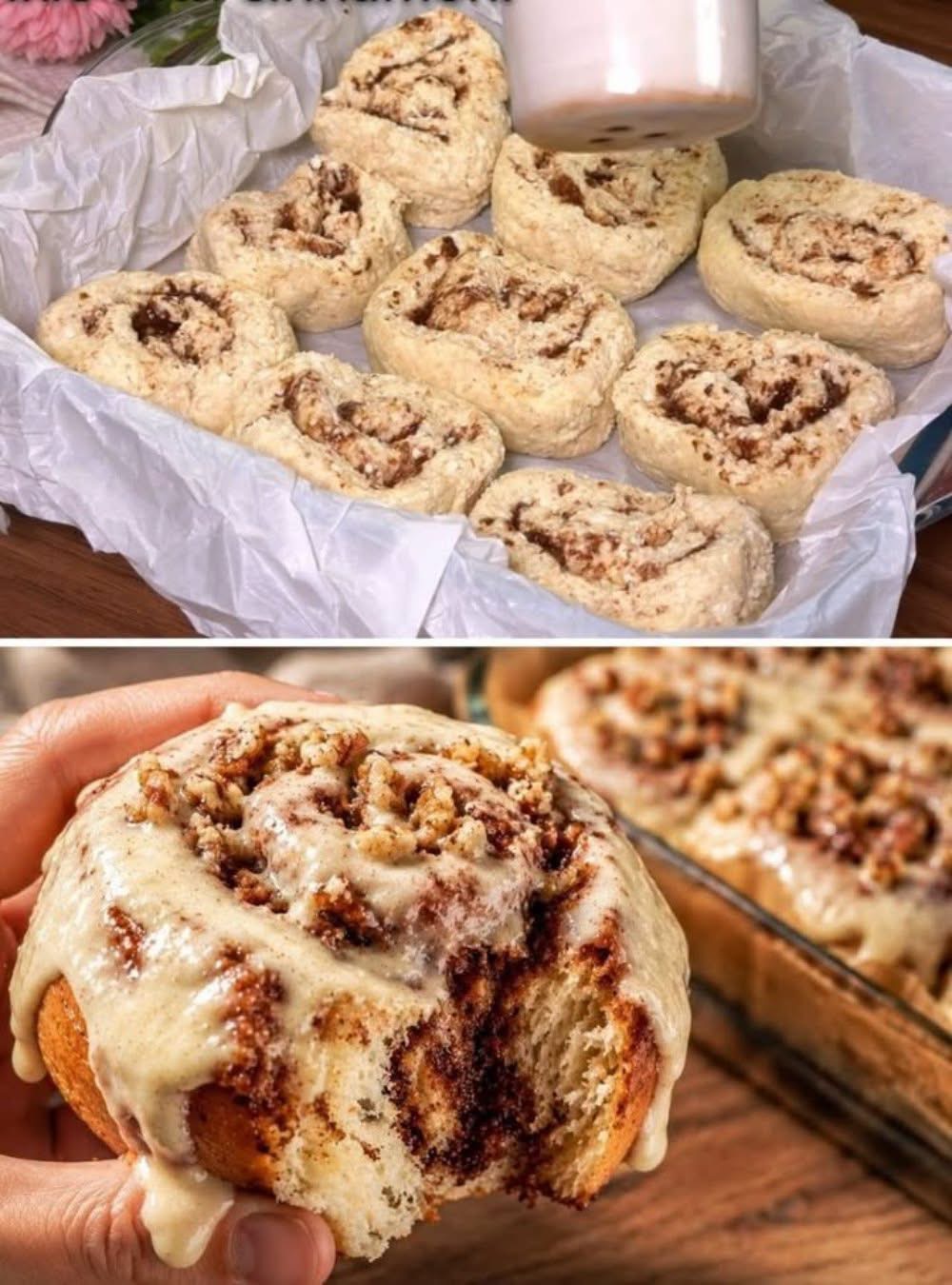
This comprehensive master guide provides everything you need to create ultimate sugar-free, butter-free oatmeal cinnamon rolls featuring a rich, creamy vanilla pudding filling. By substituting heavy saturated fats with complex whole-grain oats and replacing refined cane sugars with plant-based alternatives, this recipe achieves a balance of soft texture and conscious nutrition.
1. Comprehensive Introduction
Traditional cinnamon rolls rely on heavy quantities of creamed butter and refined white sugars to build their iconic flaky structure and caramelized interior. This recipe completely reimagines that framework. It utilizes whole-grain oat flour as the structural foundation, yielding a tender crumb while supplying slow-digesting dietary fiber.
Instead of solid animal fats, this preparation incorporates unsweetened applesauce and plant-based yogurts. These ingredients preserve essential moisture, preventing the grain from drying during baking. The filling departs from the standard butter-sugar smear; it uses a slow-cooked, vanilla-infused cashew and oat milk pudding cream. This cream mimics the luxurious mouthfeel of baker’s pastry cream without adding empty calories or refined ingredients.
2. Master Ingredients List
This recipe is divided into three functional components: the structural whole-oat yeast dough, the spiced interior cinnamon spread, and the slow-cooked velvet vanilla cream filling.
Dough Components
- Oat Flour (Superfine, Certified Gluten-Free): 480 grams (approx. 4 cups)
- Active Dry Yeast: 9 grams (1 standard packet)
- Unsweetened Organic Applesauce (Room Temperature): 120 milliliters (1/2 cup)
- Unsweetened Almond or Oat Milk: 240 milliliters (1 cup)
- Granulated Erythritol or Monk Fruit Sweetener: 50 grams (1/4 cup)
- Psyllium Husk Powder: 15 grams (2 tablespoons)
- Warm Water (105°F to 110°F for yeast activation): 60 milliliters (1/4 cup)
- Sea Salt: 3 grams (1/2 teaspoon)
Cinnamon Spiced Spread
- Pitted Medjool Dates (Soaked in boiling water for 15 minutes): 150 grams (approx. 1 cup packed)
- Warm Water or Date Soaking Liquid: 60 to 90 milliliters (1/4 to 1/3 cup)
- Ground Ceylon Cinnamon: 18 grams (2 tablespoons)
- Pure Vanilla Extract: 5 milliliters (1 teaspoon)
Creamy Filling & Topping
- Raw Cashews (Soaked overnight and drained): 100 grams (approx. 3/4 cup)
- Unsweetened Oat Milk: 180 milliliters (3/4 cup)
- Liquid Monk Fruit Drops or Stevia Extract: 1 to 2 milliliters (adjust to taste)
- Tapioca Starch (or Arrowroot Powder): 8 grams (1 tablespoon)
- Pure Vanilla Bean Paste: 5 milliliters (1 teaspoon)
3. Step-by-Step Instructions
Follow these chronological steps precisely to manage moisture levels and ensure a proper rise without wheat gluten.
[Activate Yeast] -> [Mix Dough & Psyllium] -> [First Proof: 60 Mins]
                 -> [Roll & Apply Fillings]  -> [Second Proof: 30 Mins] -> [Bake at 350°F]
- Activate the Yeast: In a small bowl, combine warm water (105°F) with one teaspoon of the monk fruit sweetener and the active dry yeast. Let it sit undisturbed for 7 to 10 minutes until a thick, frothy foam forms on the surface.
- Prepare the Psyllium Gel: In a separate cup, whisk the psyllium husk powder into 120 milliliters of room-temperature oat milk. Let it rest for 3 minutes until it forms a thick gel. This mimics gluten by holding the oat flour together.
- Mix the Dry Base: Sift the superfine oat flour, remaining granulated sweetener, and sea salt together into a large bowl.
- Combine the Wet Elements: Whisk the activated yeast mixture, the thick psyllium gel, the remaining warm oat milk, and the unsweetened applesauce together until uniform.
- Form the Dough: Pour the wet mixture into the dry flour base. Stir with a sturdy wooden spoon until a soft dough forms. Turn the dough onto a sheet of parchment paper lightly dusted with extra oat flour. Knead gently for 2 minutes to ensure even hydration.
- First Proofing Stage: Shape the dough into a smooth ball. Place it in a lightly oiled glass bowl. Cover with a damp linen cloth. Place the bowl in a warm area for 60 minutes. Because oats lack elastic gluten, the dough will expand and become noticeably lighter rather than doubling in size.
- Process the Cinnamon Paste: While the dough rests, blend the soaked dates, cinnamon, vanilla extract, and a few tablespoons of the warm date water in a high-speed blender until a smooth paste forms.
- Cook the Velvet Cream Filling: Blend the soaked cashews, oat milk, tapioca starch, liquid monk fruit, and vanilla bean paste until completely smooth. Pour the liquid into a small saucepan over medium-low heat. Whisk continuously for 4 to 5 minutes until the mixture thickens into a glossy pudding cream. Remove from heat and let cool.
4. Specific Preparation Methods
Working with gluten-free oat dough requires distinct techniques. These methods prevent tearing and ensure even distribution of the fillings.
The Parchment Rolling Method
Do not roll oat dough directly onto a bare countertop. Place the proofed dough between two large sheets of parchment paper. Use a heavy rolling pin to roll the dough outward from the center into a neat rectangle, roughly 12 by 16 inches and 1/4-inch thick. This method keeps the dough intact without requiring excess flour, which can dry out the final product.
The Double-Layer Filling Method
Carefully peel away the top layer of parchment paper. Use an offset spatula to spread the date-cinnamon paste evenly across the dough, leaving a 1/2-inch border along the edges. Next, gently spread two-thirds of the cooled vanilla pudding cream directly over the cinnamon layer. This creates a distinct, moist swirl inside the rolls.
The Dental Floss Cutting Method
Using a knife to slice unbaked oat rolls can compress the dough and squeeze out the filling. Instead, slide a long piece of unflavored dental floss under the rolled log of dough. Cross the ends of the floss over the top of the log and pull sharply in opposite directions. This cuts cleanly through the dough without distorting its round shape.
5. Historical Context
The modern cinnamon roll evolved from ancient baking traditions, spiced trade routes, and European pastry techniques.
Ancient Roots of Spice
The use of cinnamon dates back to Ancient Egypt, where Ceylon cinnamon was valued as a rare preservation agent, medicine, and perfume. Roman bakers later combined early wild spices with honey-sweetened flatbreads. This laid the foundation for enriched, aromatic doughs across Europe.
The Scandinavian Transition
The direct ancestor of the modern cinnamon roll is the Swedish Kanelbulle, celebrated annually on October 4th. During the post-World War I era, the availability of refined flour, sugar, and imported spices increased. Scandinavian bakers added ground cardamom and cinnamon to yeast doughs, creating intricate braided knots and rolls.
The American Adaption
When northern European immigrants settled in the United States, they adapted these recipes into regional variations, such as Philadelphia sticky buns. These versions introduced heavy butter smears, brown sugar glazes, and thick cream cheese icings. This recipe honors that tradition while using modern, nutrient-dense ingredients.
6. Health & Nutritional Benefits
Swapping traditional pastry ingredients for whole grains and plant-based alternatives significantly changes how this treat impacts the body.
| Feature / Ingredient | Traditional Cinnamon Roll | Sugar-Free Oatmeal Roll |
|---|---|---|
| Primary Grain Source | Refined White Wheat Flour | Whole-Grain Oats (Beta-Glucan) |
| Primary Sweetener | Cane Sugar / High Fructose Corn Syrup | Monk Fruit / Erythritol / Whole Dates |
| Fat Foundation | Animal Butter / Hydrogenated Shortening | Cashew Cream / Organic Applesauce |
| Glycemic Impact | Rapid blood sugar spike and crash | Slow, sustained glucose release |
- Cardiovascular Support via Oats: Oats contain a soluble fiber called beta-glucan. This fiber forms a gel-like substance in the digestive tract, which helps bind cholesterol and supports healthy bile acid levels.
- Metabolic Balance: Traditional rolls quickly raise blood glucose levels. This sugar-free version uses erythritol and monk fruit, which do not stimulate an insulin spike. This makes it an option for individuals managing diabetes or insulin resistance.
- Anti-Inflammatory Properties: Ceylon cinnamon contains high concentrations of cinnamaldehyde. This compound helps combat oxidative stress and supports natural metabolic function.
7. Culinary Formation & Structural Principles
Baking is a science of structural transformation. When removing gluten, butter, and sucrose, you must replace their chemical functions with alternative ingredients.
+-----------------------------------+-----------------------------------+

| Missing Structural Element        | Plant-Based Replacement Solution   |
+-----------------------------------+-----------------------------------+

| Gluten Elasticity                 | Psyllium Husk Mucilage Gel        |
| Butter Moisture & Softness        | Malic Acid in Applesauce          |
| Caramelized Sugar Structure       | Fiber Matrix of Medjool Dates     |
+-----------------------------------+-----------------------------------+
Replicating Gluten Without Wheat
Gluten provides the elastic matrix that traps carbon dioxide gas released by yeast, allowing bread to rise. Oat flour contains avenin but lacks gluten. To fix this, we introduce psyllium husk powder. When hydrated, psyllium forms a strong, mucilaginous network. This network traps gas bubbles, creating a soft, light texture in gluten-free baking.
Preserving Moisture Without Fat
Butter coats flour proteins to slow down starch retrogradation, which keeps bread from drying out. In this recipe, the natural pectin and malic acid in applesauce serve a similar purpose. They lock in moisture and protect the starch molecules, keeping the rolls soft for days without dairy fats.
8. For Baking Lovers: Master Tips
Dedicated bakers understand that small adjustments in technique make a significant difference in the final product.
- Check Your Oat Flour Grind: Ensure your oat flour is ground into a fine powder. Gritty flour makes rolls heavy and crumbly. If making your own, process rolled oats in a high-speed blender for at least 90 seconds, then sift through a fine-mesh strainer.
- Control the Baking Humidity: Oats absorb moisture quickly. To keep your rolls soft, place a small oven-safe ramekin filled with boiling water on the bottom rack of your oven while baking. This steam helps the rolls rise fully and prevents a thick, hard crust from forming.
- The Second Proofing Step: Once sliced and arranged in your baking pan, let the rolls rest for 30 minutes before baking. Cover them with a damp towel. This final rest allows the yeast to relax the dough after rolling, leading to a lighter texture.
9. Comprehensive Nutrition Profile
The following estimates are calculated per individual roll, based on a total yield of 9 large cinnamon rolls:
- Calories: 215 kcal
- Total Carbohydrates: 32 grams
- Dietary Fiber: 7 grams
- Net Carbohydrates: 25 grams
- Sugars: 8 grams (Naturally occurring from whole dates)
- Sugar Alcohols / Non-nutritive Sweeteners: 5 grams
- Protein: 6.5 grams
- Total Fat: 5.5 grams (Zero saturated animal fat, derived from cashews)
- Sodium: 85 milligrams
10. Conclusion & Final Presentation
Baking without refined sugar and butter shows how modern ingredients can transform classic pastries. By using oat flour, psyllium hydration, and a creamy cashew-vanilla filling, this recipe delivers a classic cinnamon roll texture and flavor using whole-food ingredients.
Serve these rolls warm from the oven. Drizzle the remaining vanilla pudding cream over the top just before serving. The warmth of the roll softens the cream, creating a glaze that sinks into every layer. Pair with a cup of black coffee or unsweetened tea for a satisfying breakfast or afternoon treat.
If you want, tell me:
- Do you prefer a thicker, cream-cheese style frosting or a lighter glaze?
- Are you baking for any specific dietary needs (like a strict nut allergy)?
I can help customize the filling or dough technique to perfectly fit your preferences!