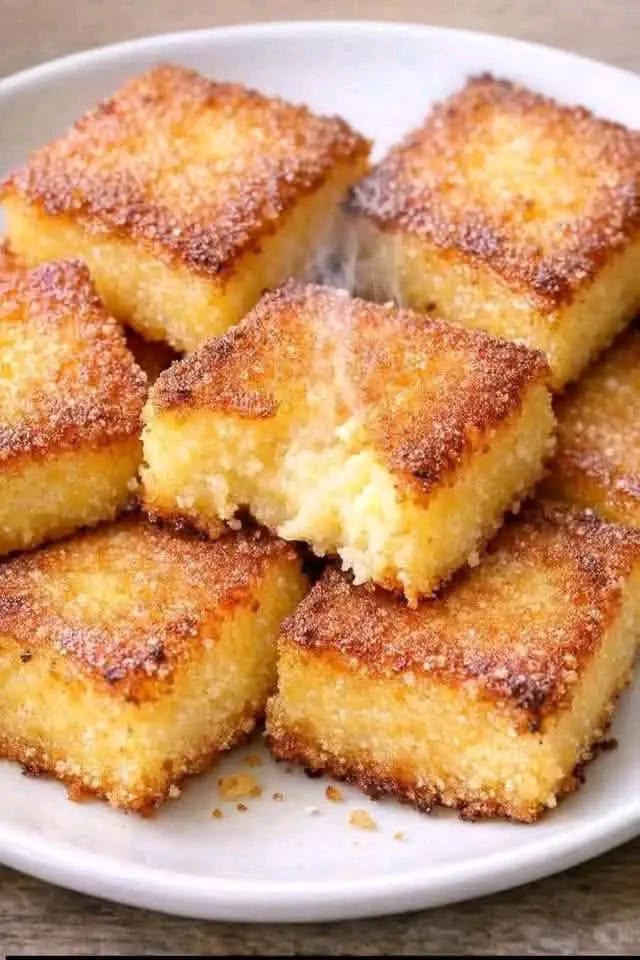
Coconut Custard Bars
Golden, buttery and irresistibly soft, these homemade coconut custard bars bring together sweet shredded coconut, creamy condensed milk and a beautifully baked top. They are simple enough for everyday baking yet delicious enough to serve at family celebrations, afternoon tea or weekend gatherings.
Introduction
There is something especially comforting about a homemade coconut dessert fresh from the oven. The warm aroma of butter, vanilla and toasted coconut fills the kitchen, promising a sweet treat with a wonderful combination of textures.
These coconut custard bars are made using familiar baking ingredients, including butter, sugar, eggs, flour, milk and sweetened condensed milk. Together, they create a rich batter that bakes into tender squares with a golden surface and a moist, coconut-filled centre.
Unlike a traditional custard tart, this recipe does not require a pastry crust or a separate custard filling. Everything is combined into one batter and baked in a single dish, making preparation straightforward and convenient.
The sweetened condensed milk adds a smooth dairy richness, while shredded coconut provides delicate texture and a distinctive tropical flavour. The butter gives the bars their satisfying richness, and the eggs help the mixture hold together once baked and cooled.
One of the most appealing features is the contrast between the toasted exterior and soft interior. The top develops a deeper golden colour during baking, while the inside stays pleasantly moist. These bars are more cake-like than a loose, spoonable custard, with a tender, custard-inspired texture.
Whether you are preparing a dessert for guests, filling a cake tin for the week or simply using ingredients already in your cupboard, this coconut custard bars recipe is a lovely choice. Serve the squares plain or enjoy them with fresh fruit and a cup of tea.
Recipe Overview
- Recipe: Coconut Custard Bars
- Category: Dessert
- Style: Homemade coconut traybake
- Preparation Time: Approximately 15 minutes (estimated)
- Baking Time: 35–40 minutes
- Cooling Time: Approximately 1 hour or until completely cool (estimated)
- Total Time: Approximately 1 hour 50 minutes to 1 hour 55 minutes, including estimated cooling
- Servings: Approximately 9–12 bars (estimated, depending on size)
- Oven Temperature: 350°F (175°C)
- Baking Dish: 8×8-inch (20×20 cm)
- Cooking Method: Oven baking
- Difficulty: Easy
- Main Ingredients: Butter, sugar, eggs, flour, coconut, milk and sweetened condensed milk
Why You’ll Love These Coconut Custard Bars
- Easy preparation: The recipe uses one main batter without a separate pastry crust.
- Rich coconut flavour: Sweetened shredded coconut adds flavour and delicate texture throughout.
- Beautiful golden surface: Baking produces a lightly crisp, toasted top.
- Moist interior: Milk, eggs and condensed milk help create a soft, rich centre.
- Simple ingredients: Most ingredients are familiar baking essentials.
- Perfect for sharing: The finished bake can be cut into convenient squares.
- Make-ahead friendly: The bars can be baked in advance and chilled before serving.
- Versatile dessert: They work for afternoon tea, family desserts, picnics and celebrations.
Coconut Custard Bars Ingredients
- 1 cup unsalted butter, softened
- 1 cup granulated sugar
- 4 large eggs
- 1 teaspoon vanilla extract
- 1 cup all-purpose flour (plain flour)
- 1 teaspoon baking powder
- ¼ teaspoon salt
- 1 cup sweetened shredded coconut
- ½ cup milk
- ½ cup sweetened condensed milk
All quantities above are preserved from the original recipe. Use proper measuring cups or carefully weighed equivalents for consistent results.
Ingredient Notes and Helpful Substitutions
Unsalted Butter
Butter contributes richness, flavour and tenderness. The recipe requires softened butter rather than melted butter. Allow it to reach a soft, workable consistency before mixing, but avoid leaving it somewhere so warm that it becomes oily.
Granulated Sugar
Granulated sugar sweetens the bars and contributes to their golden finish. It also helps the butter become light and creamy during mixing.
Large Eggs
Four eggs provide structure and richness. They help the coconut mixture set as it bakes, creating a tender, sliceable dessert. For more even mixing, bring the eggs towards room temperature before starting.
Vanilla Extract
Vanilla complements the coconut flavour without overpowering it. Pure vanilla extract is a lovely choice, although standard vanilla extract also works.
Plain Flour
The flour gives the bars enough structure to hold their shape after cooling. Avoid packing flour tightly into a measuring cup, as too much can create a heavy texture.
Baking Powder
Baking powder adds a small amount of lift, helping the finished bars remain tender rather than excessively dense.
Salt
A little salt balances the sweetness from the sugar, coconut and condensed milk.
Sweetened Shredded Coconut
Sweetened shredded coconut is important to the flavour and texture of this recipe. It adds moisture, chewiness and a delicate toasted character. Unsweetened desiccated coconut is an optional substitution, but it may produce a less sweet and slightly drier result.
Milk
Milk loosens the batter and contributes moisture. Whole milk is a useful choice for a richer result. Lower-fat milk may also work, although the texture can differ slightly.
Sweetened Condensed Milk
Condensed milk gives these bars concentrated sweetness and creamy richness. Make sure to use sweetened condensed milk, not evaporated milk, as the two products behave differently in baking.
Equipment You’ll Need
- 8×8-inch baking dish
- Large mixing bowl
- Electric hand mixer or sturdy whisk
- Measuring cups and measuring spoons
- Rubber spatula
- Small bowl for combining dry ingredients
- Wire cooling rack
- Sharp knife for cutting squares
- Optional baking parchment for easier removal
How to Make Coconut Custard Bars
Step 1: Preheat the Oven
Preheat your oven to 350°F (175°C). Lightly grease an 8×8-inch baking dish so the bars release more easily after baking. You may also line the dish with baking parchment, leaving a little overhang to help lift out the finished dessert.
Step 2: Cream the Butter and Sugar
Place the softened unsalted butter and granulated sugar into a large mixing bowl. Beat until the mixture becomes light, creamy and evenly combined. Scrape down the sides of the bowl when necessary so everything mixes properly.
Step 3: Add the Eggs
Add the eggs one at a time, beating after each addition. This helps distribute them through the butter mixture. Once all four eggs have been incorporated, mix in the vanilla extract.
Step 4: Add the Dry Ingredients
Add the plain flour, baking powder and salt. Mix gently until incorporated. Avoid beating the batter excessively after adding the flour, as unnecessary mixing can make the finished bars tougher.
Step 5: Add the Milk
Pour in the milk and sweetened condensed milk. Stir until the ingredients are evenly combined and the batter looks smooth. A spatula is useful for scraping the sides and bottom of the mixing bowl.
Step 6: Fold in the Coconut
Add the sweetened shredded coconut and fold it gently into the batter. Continue just until the coconut is distributed throughout the mixture.
Step 7: Fill the Baking Dish
Transfer the prepared batter into the greased baking dish. Use a spatula to spread it evenly towards the corners and smooth the surface so the bars bake as uniformly as possible.
Step 8: Bake Until Golden
Place the dish in the preheated oven and bake for 35–40 minutes, until the top is deeply golden and the centre is set.
Start checking near the end of the suggested baking time. The centre should no longer appear wet or fluid. A skewer inserted near the middle should come out without raw batter, although a few moist crumbs are acceptable.
Step 9: Cool Completely
Remove the baking dish from the oven and place it on a heat-safe surface or cooling rack. Allow the bars to cool completely before attempting to cut them. Cooling helps the soft interior firm up and makes the squares easier to handle.
Step 10: Slice and Serve
Once cooled, cut the dessert into neat squares using a sharp knife. Serve the bars plain and enjoy their golden exterior, sweet coconut flavour and rich, moist centre.
How to Achieve Soft, Moist Coconut Centres
The characteristic texture of these bars comes from the balance of eggs, butter, flour and dairy ingredients. Unlike a traditional sponge cake, this dessert contains a relatively generous amount of moisture-rich ingredients, which produces a softer, richer result.
Start by creaming the softened butter and sugar thoroughly. This creates an even base for the eggs and helps the mixture combine smoothly.
When adding the eggs, work gradually rather than pouring them all into the bowl at once. If the mixture looks slightly curdled after adding the eggs, continue with the recipe; it can often come together more evenly once the flour is added.
After incorporating the flour, use a gentle mixing motion. Too much beating can develop gluten and make the bars firmer or less delicate.
Finally, avoid baking until the interior becomes completely dry. The centre should be set, but the bars are intended to retain a moist, rich texture after cooling.
How to Get a Beautiful Golden Coconut Top
A golden surface is one of the most attractive features of coconut custard bars. Sugar, butter and dairy ingredients contribute to browning during baking, while coconut adds a subtle toasted flavour.
For even browning, spread the batter into a uniform layer and position the baking dish on the middle oven shelf.
Avoid opening the oven repeatedly during the early stages of baking. Frequent temperature changes may affect how evenly the bars rise and set.
Check the surface during the final few minutes. If the top is becoming too dark before the middle is ready, loosely cover the dish with foil and continue baking until the centre has set.
Remember that oven performance varies, so the original 35–40-minute baking window should be used alongside visual doneness checks rather than as the only guide.
Cooling and Cutting Coconut Bars Neatly
Freshly baked coconut custard bars are tender, especially in the centre. Cutting them immediately can cause crumbling or uneven edges.
Allow the dessert to cool completely in the baking dish. For particularly tidy slices, you can refrigerate the cooled bars briefly before cutting.
If the baking dish was lined with parchment, lift the entire bake onto a cutting board once sufficiently cool and firm.
Use a sharp, clean knife and cut straight down through the bars. Wipe the blade between cuts to prevent the moist coconut filling from sticking.
For generous dessert portions, divide the square bake into nine pieces. For smaller treats or a buffet, cut it into twelve squares.
Expert Tips for Perfect Coconut Custard Bars
- Use softened butter so it creams smoothly with the sugar.
- Measure the flour carefully to avoid a dry or heavy dessert.
- Use large eggs as specified in the recipe.
- Add the eggs individually for more even incorporation.
- Check that the baking powder is within its use-by date.
- Use sweetened shredded coconut for the intended sweetness and texture.
- Do not confuse condensed milk with evaporated milk.
- Mix gently once the flour has been added.
- Scrape the mixing bowl to distribute all ingredients evenly.
- Spread the batter to a consistent depth in the baking dish.
- Use the middle oven shelf for balanced heat exposure.
- Begin checking doneness towards the end of the baking period.
- Cool the bars completely before slicing.
- Keep leftovers covered to prevent the coconut centre from drying out.
Common Mistakes to Avoid
1. Using Melted Butter Instead of Softened Butter
The original method calls for softened butter. Completely melted butter will not cream with sugar in the same way and may produce a different texture.
2. Adding All the Eggs at Once
Adding the eggs gradually helps them combine more evenly with the butter mixture.
3. Measuring Too Much Flour
Excess flour can make the bars dry and overly firm. Spoon flour into the measuring cup and level it, or use a kitchen scale.
4. Using the Wrong Type of Coconut
Sweetened shredded coconut provides a different sweetness and moisture level from dry, unsweetened coconut. Substituting it may change the result.
5. Overmixing the Batter
Once the flour is incorporated, further heavy beating can reduce tenderness.
6. Using an Incorrect Baking Dish
A larger dish produces thinner bars that may bake faster, while a smaller dish creates a deeper layer that may require additional baking time.
7. Baking at the Wrong Temperature
Use the specified 350°F (175°C) oven setting and allow the oven to preheat fully.
8. Removing the Bars Too Early
A golden top does not always mean the centre is cooked. Check that the middle has set before removing the dish.
9. Overbaking
Leaving the bars in the oven longer than needed can reduce their soft, moist quality. Begin monitoring them towards the end of the stated time.
10. Cutting While Hot
The interior needs time to firm up. Cutting too soon can result in crumbled or untidy squares.
Optional Coconut Custard Bar Variations
The following ideas are optional changes to the original recipe. They have not been tested as part of the supplied method, so results may vary.
1. Lemon Coconut Bars
Add a little finely grated lemon zest to the batter for a fresh citrus aroma that balances the coconut sweetness.
2. Lime Coconut Squares
Fold in finely grated lime zest for a brighter, tropical flavour.
3. Almond Coconut Bars
Add a small amount of almond extract alongside the vanilla for a sweet, nutty fragrance.
4. Chocolate Coconut Bars
Scatter a modest amount of chocolate chips into the prepared batter for pockets of melted chocolate.
5. Extra Toasted Coconut Topping
Sprinkle a little additional shredded coconut over the surface before baking, keeping an eye on the topping so it does not become too dark.
6. Orange Coconut Bars
Add finely grated orange zest to introduce a gentle citrus flavour.
7. Lightly Spiced Coconut Squares
Try a small pinch of ground cinnamon or cardamom for a warm aromatic finish.
Serving Suggestions
These coconut custard bars are delicious on their own, particularly when fully cooled and sliced into generous squares.
For an afternoon treat, serve them with freshly brewed tea or coffee. The gentle bitterness of these drinks contrasts pleasantly with the dessert’s sweetness.
Fresh berries also make an attractive accompaniment. Strawberries, raspberries or blueberries add freshness and a little acidity.
For a more indulgent dessert, pair a square with a small scoop of vanilla ice cream or a spoonful of lightly whipped cream.
If you are preparing a dessert platter, arrange the coconut bars alongside fresh fruit and other small baked treats. Their golden colour and square shape make them especially suitable for sharing.
How to Store Coconut Custard Bars
Refrigeration
Because these bars contain eggs, milk and condensed milk and have a moist centre, store them in an airtight container in the refrigerator. For best quality, enjoy them within 3–4 days.
Room Temperature
Serve at room temperature if preferred, but do not leave the bars unrefrigerated for longer than two hours. Refrigerate leftovers promptly.
Freezing
For longer storage, wrap completely cooled bars individually and place them in a freezer-safe container. As a practical quality guideline, use within approximately two months. Freezing may slightly change the moist custard-like texture.
Thawing
Thaw frozen bars in the refrigerator overnight. Keep them covered to help prevent moisture loss.
Reheating
These bars can be enjoyed chilled or at room temperature. If you prefer them warm, heat a portion gently in short microwave intervals until pleasantly warm. Avoid prolonged heating, which can dry out the interior.
Making Ahead
Bake the bars the day before serving, cool completely and store covered in the refrigerator. Slice shortly before serving for a tidy presentation.
Frequently Asked Questions
1. What are coconut custard bars?
They are baked coconut dessert squares made with butter, eggs, flour, milk and coconut. This version has a soft, custard-inspired centre and a golden top.
2. Are these bars the same as coconut cake?
Not exactly. They contain cake-making ingredients, but their relatively rich, moist batter creates a denser, softer texture than many traditional sponge cakes.
3. Do I need to make a separate custard?
No. The original recipe combines all the ingredients into one batter before baking.
4. Can I use unsweetened coconut?
Yes, as an optional substitution, but the bars may taste less sweet and feel slightly drier than the original version.
5. Can I use desiccated coconut?
You can experiment with it, although finely dried desiccated coconut absorbs moisture differently from sweetened shredded coconut.
6. Can I replace condensed milk with regular milk?
A direct replacement is not recommended because condensed milk is thicker and significantly sweeter. It contributes to both flavour and texture.
7. Can I use salted butter?
It is possible, but the original recipe uses unsalted butter. If substituting salted butter, the overall saltiness may change.
8. Why are my coconut bars dry?
Too much flour, overbaking or excessive mixing can contribute to dryness.
9. Why are my bars too soft in the centre?
They may need additional baking time or more cooling. The centre should be set before the bars are removed from the oven.
10. How do I know when the bars are baked?
Look for a deeply golden top and a set middle. A skewer should come out without wet, uncooked batter.
11. Can I make these in a larger baking dish?
Yes, but the layer will be thinner and may bake more quickly. Monitor doneness carefully rather than assuming the original timing will remain accurate.
12. Do I need an electric mixer?
An electric mixer makes creaming butter and sugar easier, although a sturdy whisk or wooden spoon can also be used with enough effort.
13. Should I refrigerate the bars before cutting?
Refrigeration is optional. Cool completely first, and chill briefly if you want firmer, cleaner slices.
14. Can I prepare the batter ahead of time?
For the most predictable results, prepare and bake the batter promptly after mixing, particularly because it contains baking powder.
15. Can I freeze coconut custard bars?
Yes. Wrap them carefully and freeze in individual portions. Their texture may be slightly different after thawing.
16. How long will they keep in the fridge?
For best quality, store them in an airtight container and consume within approximately 3–4 days.
17. Can I add chocolate?
Yes. Chocolate chips are an optional variation that pairs well with coconut, although they will change the original flavour.
18. Why did my coconut bars sink?
Underbaking, inaccurate ingredient measurements or an oven that has not reached the correct temperature can affect the finished structure.
19. Can I serve them warm?
Yes, but allow them to cool sufficiently to hold their shape before cutting. Warm portions may be softer and more delicate.
20. What is the best way to cut clean squares?
Cool the bars fully, use a sharp knife and wipe the blade between cuts. Chilling them first can make slicing easier.
21. Are these bars suitable for a party?
Yes. They can be made in advance, divided into small squares and arranged on a dessert platter.
22. Can I reduce the sugar?
You can experiment, but the original sugar quantity contributes to flavour, browning and texture. Reducing it may change the finished result.
Complete Recipe Card
Coconut Custard Bars
Description: Soft, rich coconut bars made with butter, sweetened condensed milk and shredded coconut, baked until beautifully golden with a moist centre.
- Category: Dessert
- Method: Baking
- Preparation: Approximately 15 minutes (estimated)
- Cooking: 35–40 minutes
- Cooling: Until completely cool, approximately 1 hour (estimated)
- Yield: Approximately 9–12 squares (estimated)
- Temperature: 350°F (175°C)
- Dish: 8×8-inch baking dish
Ingredients
- 1 cup unsalted butter, softened
- 1 cup granulated sugar
- 4 large eggs
- 1 teaspoon vanilla extract
- 1 cup all-purpose flour (plain flour)
- 1 teaspoon baking powder
- ¼ teaspoon salt
- 1 cup sweetened shredded coconut
- ½ cup milk
- ½ cup sweetened condensed milk
How to Make
- Preheat the oven to 350°F (175°C) and lightly grease an 8×8-inch baking dish.
- In a large bowl, beat the softened butter and sugar until light and creamy.
- Add the eggs one at a time, mixing after each addition, then stir in the vanilla extract.
- Add the flour, baking powder and salt, mixing gently until incorporated.
- Stir in the milk and sweetened condensed milk until the batter is smooth.
- Fold in the sweetened shredded coconut until evenly distributed.
- Pour the batter into the prepared baking dish and spread it evenly.
- Bake for 35–40 minutes, until the top is deeply golden and the centre is set.
- Remove from the oven and allow the bars to cool completely.
- Cut into squares and serve with their soft coconut centres and crisp golden edges.
Recipe Notes
- Use softened rather than melted butter.
- Avoid overmixing after adding the flour.
- Check the centre for doneness before removing the bars from the oven.
- Cool completely before slicing.
- Store leftovers covered in the refrigerator.
Hashtags: #CoconutCustardBars #CoconutDessert #EasyBaking #HomemadeDesserts #CoconutRecipes
Final Thoughts
These coconut custard bars are a wonderful example of how simple ingredients can become a delicious homemade dessert. With their toasted golden tops, rich coconut flavour and beautifully soft centres, they are ideal for sharing with family and friends. Make a batch for your next gathering, save the recipe for later and let us know in the comments how your coconut bars turned out. Follow along for more easy homemade baking ideas and comforting sweet treats.