Introduction
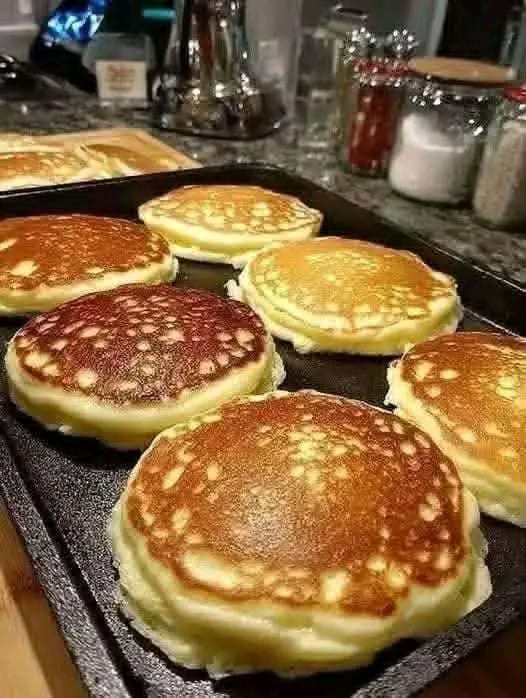
There is something special about a stack of thick, golden pancakes fresh from a hot griddle. These old-fashioned fluffy buttermilk pancakes have beautifully browned surfaces, tender centers, and the soft, airy texture that makes a homemade breakfast feel extra comforting.
The secret to great pancakes is not complicated. A simple batter made with flour, buttermilk, eggs, melted butter, and the right amount of leavening creates pancakes that rise beautifully while cooking. The buttermilk gives them a subtle tang and helps create a tender crumb, while a combination of baking powder and baking soda provides plenty of lift.
These pancakes are perfect for a relaxed weekend breakfast, a family brunch, or any morning when you want something warmer and more satisfying than cereal or toast. Serve them simply with butter and maple syrup, or turn them into a complete breakfast with berries, bananas, eggs, or crispy bacon.
Why This Pancake Recipe Is Popular
Classic pancakes remain one of the most popular homemade breakfast recipes because they use inexpensive pantry ingredients and can be prepared quickly.
This version is especially appealing if you enjoy thick diner-style pancakes rather than very thin pancakes. When cooked correctly, each pancake develops a golden-brown exterior while remaining light and tender inside.
Another advantage is versatility. The basic batter can easily become blueberry pancakes, chocolate chip pancakes, banana pancakes, or cinnamon pancakes without changing the entire recipe.
They are also convenient when cooking breakfast for several people. Keep finished pancakes warm while you cook the remaining batches, then bring one large platter to the table.
Recipe Information
Prep Time: 10 minutes
Cook Time: 20 minutes
Total Time: 30 minutes
Servings: 10–12 pancakes
Difficulty: Easy
Main Ingredients
All-purpose flour: Provides the structure needed for thick pancakes while keeping the texture tender.
Buttermilk: Adds moisture and a pleasant subtle tang. Its acidity also works with baking soda to help the pancakes rise.
Eggs: Give the batter structure and richness.
Baking powder: Creates much of the lift that makes the pancakes fluffy.
Baking soda: Works particularly well in a buttermilk batter and encourages good browning.
Butter: Melted butter adds richness and classic homemade pancake flavor.
Sugar: Only a small amount is necessary. It lightly sweetens the batter without making the pancakes dessert-like.
Ingredients
2 cups all-purpose flour
2 tablespoons granulated sugar
2 teaspoons baking powder
1 teaspoon baking soda
½ teaspoon salt
2 cups buttermilk
2 large eggs
¼ cup unsalted butter, melted and slightly cooled
1 teaspoon vanilla extract
Butter or neutral oil for the griddle
For serving:
Softened butter
Maple syrup
Fresh berries or sliced bananas, optional
How to Choose the Best Ingredients
Fresh leavening is important when making thick pancakes. Baking powder and baking soda that have been sitting in the pantry for a very long time may not provide enough lift.
Regular all-purpose flour works perfectly. There is no need for specialty flour, and using a very high-protein flour can make the pancakes tougher.
Full-fat cultured buttermilk gives the pancakes excellent richness and texture. Shake the container before measuring because buttermilk can naturally separate while refrigerated.
Use real butter when possible for the richest flavor. If you prefer cooking the pancakes with oil, choose a mild neutral oil that will not overpower the vanilla and buttermilk.
Prepare the Pancake Batter
Start by melting the butter and allowing it to cool slightly. Very hot butter should not be poured directly into cold eggs and buttermilk because it may solidify into small pieces.
Place the flour, sugar, baking powder, baking soda, and salt in a large mixing bowl. Whisk until the dry ingredients are evenly distributed.
In another bowl or large measuring jug, whisk together the buttermilk, eggs, vanilla extract, and melted butter.
Pour the wet mixture into the dry ingredients.
Use a whisk or spatula to gently combine everything. Stop mixing as soon as there are no large pockets of dry flour remaining.
A few small lumps are completely fine.
Overmixing pancake batter develops more gluten and can produce pancakes that are chewy instead of soft and fluffy.
Allow the finished batter to rest for approximately 5 minutes while the griddle heats.
Step-by-Step Instructions
Heat a large nonstick skillet, cast-iron griddle, or electric griddle over medium to medium-low heat.
Lightly grease the cooking surface with butter or neutral oil. You only need a thin coating.
Once the surface is properly heated, scoop approximately ⅓ cup of batter onto the griddle for each pancake.
Do not spread the batter too thin. Leaving it relatively thick helps create the tall, fluffy appearance.
Cook for approximately 2–3 minutes on the first side.
Watch the surface rather than relying entirely on the clock. Small bubbles should begin appearing across the pancake, and the outer edges will start looking set rather than wet.
Slide a thin spatula underneath the pancake and flip it in one confident motion.
Cook the second side for another 1–2 minutes, or until golden brown and cooked through.
Transfer the pancake to a plate and repeat with the remaining batter.
Adjust the heat whenever necessary. If the pancakes become dark before their centers cook, reduce the temperature slightly.
Serve the pancakes warm with butter and maple syrup.
Tips for Extra-Fluffy Pancakes
Do not pack flour into the measuring cup. Spoon the flour into the cup and level the top, or weigh it for greater consistency. Too much flour can create an overly dense batter.
Avoid overmixing. This is one of the most important rules for tender pancakes.
Letting the batter rest briefly also gives the flour time to hydrate and allows the leavening ingredients to begin working.
Use moderate heat. Extremely high heat creates a dark exterior while leaving the center undercooked.
Flip each pancake only once whenever possible. Repeated flipping can interfere with the light texture and even browning.
Do not press pancakes down with the spatula after flipping. Pressing forces out the air that gives them their fluffy interior.
How to Know When Pancakes Are Ready to Flip
Timing the flip correctly makes a noticeable difference.
At first, the top of the pancake will look shiny and completely wet. As it cooks, bubbles begin forming.
Wait until several bubbles appear and some begin bursting. The edges should also look slightly dry and structured.
At this stage, carefully lift one edge with your spatula. If the underside is golden brown, flip the pancake.
The second side normally cooks faster than the first.
Flavor Variations
Blueberry Pancakes: Sprinkle fresh or frozen blueberries over each pancake immediately after pouring the batter onto the griddle.
Chocolate Chip Pancakes: Add mini chocolate chips to the individual pancakes while the first side cooks.
Banana Pancakes: Fold one mashed ripe banana into the wet ingredients. The pancakes will be slightly sweeter and softer.
Cinnamon Pancakes: Add 1 teaspoon ground cinnamon to the dry ingredients.
Lemon Pancakes: Add finely grated lemon zest to the batter for a bright citrus flavor.
Strawberry Pancakes: Serve the finished pancakes with sliced strawberries and a spoonful of whipped cream.
How to Serve
The simplest way to serve these fluffy pancakes is with softened butter and warm maple syrup.
For a colorful breakfast, add strawberries, blueberries, raspberries, or sliced bananas.
You can also serve them alongside scrambled eggs, fried eggs, breakfast potatoes, sausage, or crispy bacon for a larger brunch.
For something sweeter, top the stack with whipped cream, chocolate chips, chopped nuts, or a light dusting of powdered sugar.
When serving a crowd, arrange several pancakes on a large warm platter and place the toppings on the table so everyone can customize their own plate.
Keeping Pancakes Warm
When making a large batch, the first pancakes can become cold before the final ones leave the griddle.
Preheat the oven to about 200°F (95°C) and place finished pancakes on a baking sheet.
Keep them in the warm oven while you finish cooking the remaining batter.
Avoid covering them tightly for a long period because trapped steam can make their surfaces overly moist.
Meal Prep and Storage
Allow leftover pancakes to cool completely before storing them.
Place them in an airtight container and refrigerate for up to 3–4 days.
For longer storage, pancakes freeze very well. Arrange cooled pancakes in a freezer-safe container or bag, placing parchment paper between layers so they do not stick together.
Freeze for up to about 2 months for the best texture.
Reheat refrigerated pancakes briefly in the microwave, toaster, skillet, or oven.
Frozen pancakes can also be reheated directly from frozen, making them convenient for quick weekday breakfasts.
Common Mistakes to Avoid
Overmixing the batter: A perfectly smooth batter is unnecessary. Mixing too aggressively can create tough pancakes.
Using very high heat: Pancakes need enough time for the center to cook before the outside becomes too dark.
Flipping too early: Wait for bubbles and set edges before turning the pancake.
Pressing with the spatula: This removes some of the air and can flatten your pancakes.
Using old baking powder: Fresh leavening produces noticeably better rise.
Making the batter too thin: A very runny batter tends to spread and creates thinner pancakes.
Adding too much grease: A heavily buttered skillet can produce uneven browning. A thin coating is enough.
Frequently Asked Questions
Why aren’t my pancakes fluffy?
The most common causes are old baking powder, overmixed batter, incorrect measurements, or batter that is too thin. Gentle mixing and fresh leavening usually produce a much better rise.
Can I make pancakes without buttermilk?
Yes. Regular milk can be used, although the flavor and texture will differ slightly. Because this recipe contains baking soda, a homemade buttermilk substitute made by adding a little lemon juice or vinegar to milk works better than plain milk.
Why are my pancakes burning outside but raw inside?
The cooking surface is probably too hot. Reduce the heat and allow the pancakes to cook more gradually.
Should pancake batter be completely smooth?
No. Small lumps are normal and preferable to overmixing.
Can pancake batter be made the night before?
Freshly mixed batter usually gives the best rise because the leavening starts reacting once the wet and dry ingredients are combined. For meal prep, mix the dry ingredients ahead of time and combine them with the wet ingredients shortly before cooking.
Can these pancakes be frozen?
Yes. Cool them completely, separate the pancakes with parchment paper, and store them in a freezer-safe container.
What makes buttermilk pancakes different?
Buttermilk contributes a mild tang and tender texture. Its acidity also reacts with baking soda, helping the batter rise and contributing to the pancakes’ classic golden appearance.
Final Thoughts
These old-fashioned fluffy buttermilk pancakes are an easy way to bring a classic diner-style breakfast to your own kitchen. They are thick, tender, golden on the outside, and soft through the center.
The key is simple: use fresh ingredients, keep the batter slightly lumpy, cook over moderate heat, and wait for those telltale bubbles before flipping.
Serve them immediately with butter and maple syrup for a classic breakfast, or customize the batter with blueberries, bananas, cinnamon, or chocolate chips. Whether you’re preparing a quiet weekend breakfast or a big family brunch, this dependable pancake recipe is one worth keeping.