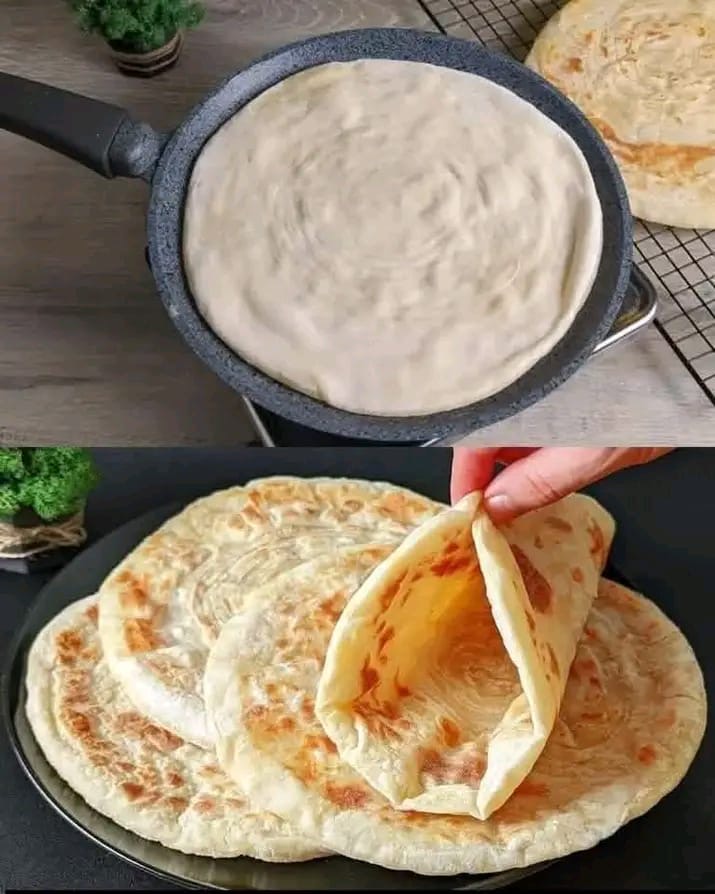
If you love fresh homemade bread but don’t want to wait for a long rising time or turn on the oven, this easy stovetop flatbread recipe is exactly what you need. These homemade flatbreads are soft, tender, lightly golden on the outside, and wonderfully chewy inside. They are cooked directly in a skillet, making them perfect for busy mornings, quick lunches, or an easy side dish for dinner.
The dough is simple to prepare with basic pantry ingredients, and the result is much better than many store-bought flatbreads. You can serve them warm with butter, use them as wraps, or pair them with soups, stews, grilled meats, eggs, cheese, or your favorite dips.
Why You’ll Love This Homemade Flatbread
There are plenty of reasons to keep this recipe in your regular rotation:
No oven required
Made with simple ingredients
Soft and flexible texture
Golden and lightly crisp on the surface
Great for wraps and sandwiches
Delicious served warm with butter
Easy to customize with herbs and spices
Perfect for breakfast, lunch, or dinner
Freezer-friendly
Much more economical than buying packaged flatbread
The secret to soft flatbread is creating a dough that is smooth and soft without being overly sticky, then allowing it to rest before cooking. The resting time gives the flour a chance to absorb the liquid and makes the dough much easier to roll.
Easy Stovetop Flatbread Recipe
Ingredients
3 cups all-purpose flour
1 teaspoon salt
1 teaspoon sugar
1 teaspoon instant yeast
1 cup warm water, approximately
2 tablespoons olive oil or vegetable oil
Extra flour, for rolling
A little oil or butter, for cooking
Optional Additions
For extra flavor, you can add:
1 teaspoon garlic powder
1 teaspoon dried oregano
1 teaspoon dried parsley
½ teaspoon black pepper
A pinch of chili flakes
1 tablespoon sesame seeds
You can also brush the finished flatbreads with melted butter and sprinkle them with fresh parsley or garlic.
How to Make Stovetop Flatbread
Step 1: Prepare the Dough
Add the flour, salt, sugar, and instant yeast to a large mixing bowl. Stir everything together so the dry ingredients are evenly distributed.
Gradually add the warm water while mixing with a wooden spoon or your hands. Add the olive oil and continue mixing until a rough dough forms.
The dough should feel soft and slightly tacky, but it should not be extremely sticky. If it feels too wet, add a little flour at a time. If it feels dry or difficult to bring together, add another tablespoon of warm water.
Step 2: Knead the Dough
Transfer the dough to a lightly floured surface and knead for approximately 6–8 minutes.
You are looking for a smooth, elastic dough. It doesn’t have to be perfectly smooth, but it should become soft and stretchy as you knead.
If using a stand mixer, you can knead the dough with the dough hook for about 5 minutes on low to medium speed.
Step 3: Let the Dough Rest
Place the dough into a lightly oiled bowl and cover it with a clean kitchen towel or plastic wrap.
Allow it to rest in a warm place for approximately 45–60 minutes, or until it becomes noticeably softer and slightly larger.
The dough does not necessarily need to double in size. The main goal is to allow the gluten to relax and the dough to become easier to shape.
Step 4: Divide the Dough
Once rested, gently press the dough down and divide it into 8 equal pieces.
Roll each piece into a smooth ball.
Cover the dough balls again and let them rest for another 10–15 minutes.
This second resting period is helpful because it prevents the dough from shrinking when you roll it.
Step 5: Roll the Flatbreads
Lightly flour your work surface.
Take one dough ball and roll it into a thin round or oval, depending on your preference.
Try to keep the thickness fairly even. If you want softer, more substantial flatbread, leave it slightly thicker. For a thinner wrap-style flatbread, roll it out more.
Avoid adding too much flour during this step because excessive flour can make the finished bread dry.
Repeat with the remaining dough balls.
Step 6: Cook the Flatbread in a Skillet
Heat a large heavy skillet or cast-iron pan over medium-high heat.
You can lightly brush the pan with oil, although the flatbread can also be cooked in a mostly dry skillet.
Place one rolled piece of dough into the hot skillet.
Cook for approximately 1–2 minutes, or until small bubbles begin appearing on the surface and the bottom develops golden-brown spots.
Flip the flatbread and cook the other side for another 1–2 minutes.
The bread should puff slightly and develop beautiful golden patches.
Do not cook the flatbread for too long. Overcooking can make it dry and less flexible.
Continue cooking the remaining pieces.
The Best Way to Keep Flatbread Soft
As soon as each flatbread comes out of the skillet, place it on a plate and cover it with a clean kitchen towel.
Stacking the warm flatbreads together allows the steam to soften them and keeps them flexible.
If you leave them uncovered while cooking the entire batch, they can lose moisture and become firmer than you want.
For the softest results, keep the stack covered until you are ready to serve.
How to Serve Homemade Flatbread
These homemade flatbreads are incredibly versatile.
For Breakfast
Serve them warm with:
Butter
Scrambled eggs
Fried eggs
Cheese
Avocado
Tomatoes
Turkey or chicken
Jam or honey
For Lunch
Use the flatbread as a wrap and fill it with:
Grilled chicken
Beef
Lettuce
Tomatoes
Cucumbers
Cheese
Hummus
Garlic sauce
For Dinner
Serve warm flatbread alongside:
Soups
Stews
Grilled meat
Roasted vegetables
Chicken
Beans
Lentils
Salads
You can also tear pieces of flatbread and use them to scoop up dips and sauces.
Garlic Butter Flatbread Variation
Want to make this recipe even more flavorful?
Mix together:
2 tablespoons melted butter
1 minced garlic clove
1 tablespoon chopped parsley
A small pinch of salt
Brush the mixture over the hot flatbreads immediately after cooking.
The butter melts into the warm bread, while the garlic and parsley add a delicious savory flavor.
Cheesy Flatbread Variation
For a cheesy version, sprinkle shredded mozzarella or cheddar over one side of the dough before folding it.
Press the edges together to seal the cheese inside, then cook the flatbread gently in a skillet until golden and the cheese has melted.
You can also add cooked ground beef, shredded chicken, spinach, mushrooms, or caramelized onions.
Herb Flatbread
For a simple herb version, add dried herbs directly to the dough.
Try a combination of:
- Oregano
- Parsley
- Thyme
- Rosemary
- Garlic powder
- Black pepper
Fresh herbs can also be added after cooking.
A little olive oil brushed over the warm bread makes the herbs even more fragrant.
Tips for Perfect Flatbread Every Time
1. Don’t Make the Dough Too Dry
A dry dough usually produces a dry flatbread. The dough should be soft and slightly tacky.
Add flour gradually rather than adding the entire amount at once.
2. Let the Dough Rest
Resting is important. It makes the dough easier to roll and helps create a softer texture.
3. Don’t Use Excess Flour
Too much flour on the work surface can burn in the skillet and can also make the bread dry.
4. Preheat the Pan
A properly heated skillet helps the flatbread cook quickly and develop attractive golden-brown spots.
5. Watch the Heat
If the skillet is extremely hot, the outside can brown before the inside cooks properly.
Medium to medium-high heat is usually a good starting point.
6. Don’t Overcook
Flatbread should cook quickly. Once you see golden spots and the bread has puffed slightly, it is generally ready to flip.
7. Cover the Finished Bread
Keep cooked flatbreads covered with a clean towel to preserve their softness.
Can I Make the Dough Ahead of Time?
Yes. The dough can be prepared ahead of time and stored in the refrigerator.
After kneading, place the dough in a lightly oiled, covered container and refrigerate it.
When you’re ready to cook, allow the dough to sit at room temperature for a little while so it becomes easier to work with. Then divide, roll, and cook as directed.
This can be especially convenient when preparing bread for a family meal.
Can I Freeze Homemade Flatbread?
Absolutely.
Allow the cooked flatbreads to cool completely. Stack them with pieces of parchment paper between them and place them in a freezer-safe bag or container.
They can be reheated directly from frozen in a skillet over medium heat.
You can also warm them briefly in the microwave, then finish them in a hot skillet for a better texture.
How to Store Leftover Flatbread
Store cooled flatbreads in an airtight bag or container at room temperature for short-term storage.
For longer storage, refrigerate them or freeze them.
To bring back their soft texture, warm them briefly in a skillet and brush with a small amount of butter or olive oil if desired.
Frequently Asked Questions
Can I make this recipe without yeast?
Yes. You can make a quick flatbread using baking powder instead of yeast. The texture will be somewhat different, but it can still be soft and delicious.
For a yeast-free version, use about 2 teaspoons of baking powder and allow the dough to rest for approximately 15–20 minutes before rolling.
Why is my flatbread hard?
Flatbread can become hard if too much flour is added, if the dough is not rested properly, or if the bread is cooked for too long.
Keep the dough soft and avoid overcooking.
Why does my flatbread shrink when I roll it?
The gluten may still be too tight. Cover the dough and let it rest for another 10–15 minutes before rolling again.
Can I cook the flatbread without oil?
Yes. A good nonstick or well-seasoned cast-iron skillet can cook the flatbread without oil. However, brushing the finished bread with butter or olive oil adds flavor and softness.
Can I make larger flatbreads?
Yes. Simply divide the dough into fewer portions and roll each piece larger. Keep in mind that very large flatbreads may require slightly more cooking time.
Final Thoughts
Making homemade flatbread on the stovetop is much easier than it looks. With a few basic ingredients, a mixing bowl, and a hot skillet, you can make a batch of soft, golden, homemade flatbread that is perfect for almost any meal.
The best part is how versatile this recipe can be. Keep it simple with butter, turn it into a flavorful garlic-herb flatbread, or use it as a wrap filled with your favorite meats, vegetables, and sauces.
Once you try homemade stovetop flatbread, you may find yourself making it instead of reaching for packaged bread at the store.
Printable Recipe
Easy Homemade Stovetop Flatbread
Prep Time: 15 minutes
Resting Time: 45–60 minutes
Cooking Time: 15–20 minutes
Total Time: About 1 hour 15 minutes
Servings: 8 flatbreads
Ingredients
3 cups all-purpose flour
1 teaspoon salt
1 teaspoon sugar
1 teaspoon instant yeast
1 cup warm water, approximately
2 tablespoons olive oil
Extra flour for rolling
Butter or oil for serving
Instructions
Combine flour, salt, sugar, and yeast.
Gradually add warm water and olive oil.
Mix until a soft dough forms.
Knead for 6–8 minutes.
Cover and rest for 45–60 minutes.
Divide into 8 balls and rest for another 10–15 minutes.
Roll each piece into a thin round.
Heat a skillet over medium-high heat.
Cook each flatbread for 1–2 minutes per side.
Stack cooked flatbreads under a clean towel.
Serve warm with butter, dips, fillings, or your favorite meal.
Pro Tip: For exceptionally soft flatbread, don’t skip the resting time and avoid adding more flour than necessary. The softer the dough, the softer and more flexible the finished bread will be.