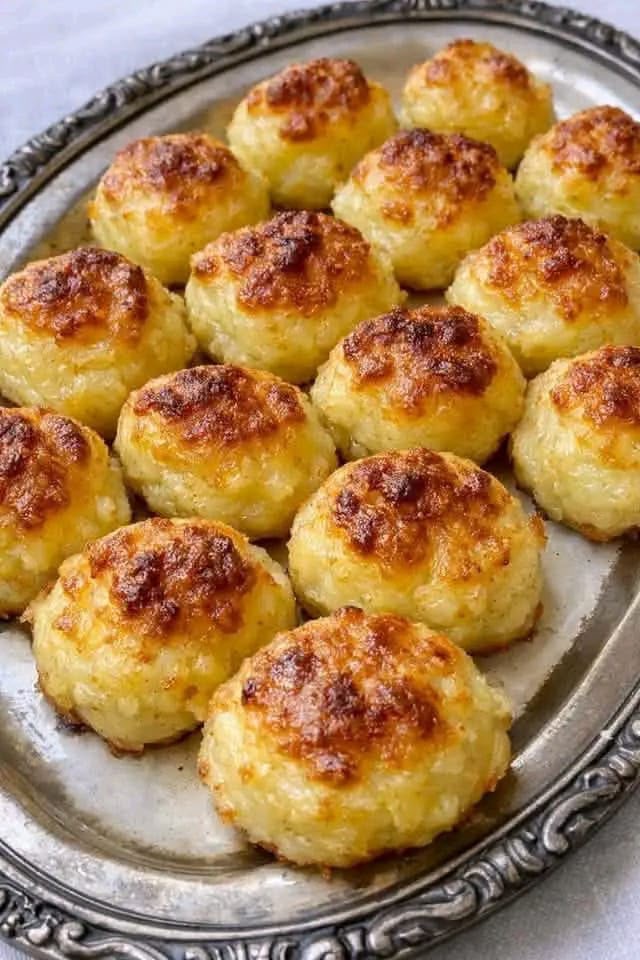
Crispy Cheesy Potato Balls
Crispy cheesy potato balls are the kind of homemade comfort food that turns a handful of everyday ingredients into something wonderfully satisfying. Golden on the outside, soft and fluffy in the middle, and packed with savoury cheese, these little potato bites are perfect for sharing with family and friends.
Made with creamy mashed potatoes, mozzarella or cheddar cheese, Parmesan, fresh garlic and simple seasonings, every bite delivers a delicious combination of comforting flavours and contrasting textures.
One of the best things about this recipe is that the potato balls are baked rather than deep-fried. A light coating of olive oil encourages the exterior to turn golden and crisp while the inside remains tender and cheesy.
They are also incredibly versatile. Serve them as a party appetiser, a quick afternoon snack, a family-friendly side dish or part of a casual weekend meal. They pair beautifully with creamy dips, tangy sauces and fresh salads.
The preparation is straightforward enough for beginners. You simply boil the potatoes, mash them, mix in the cheese and seasonings, shape the mixture into balls and bake until beautifully browned.
Whether you are using freshly boiled potatoes or planning a make-ahead snack, these crispy cheesy potato balls are a delicious way to bring something warm, savoury and homemade to the table.
Recipe Overview
- Recipe Name: Crispy Cheesy Potato Balls
- Category: Appetiser, Snack, Side Dish
- Cuisine: Homemade comfort food
- Preparation Time: Approximately 20 minutes, excluding cooling
- Boiling Time: 15–20 minutes
- Baking Time: 20–25 minutes
- Estimated Total Time: 55–65 minutes, plus any additional cooling
- Servings: Approximately 6
- Estimated Yield: 15–18 medium potato balls, depending on size
- Difficulty: Easy
- Oven Temperature: 425°F (220°C)
- Cooking Method: Boiling and oven-baking
- Equipment: Saucepan, mixing bowl and lined baking tray
- Main Ingredients: Potatoes, cheese, egg, flour and seasonings
The estimated yield assumes fairly large potatoes and medium-sized portions. Actual results will vary according to potato size, moisture content and how generously the balls are shaped.
Why You’ll Love This Recipe
- Deliciously golden exterior: High-temperature baking creates appetising toasted patches and lightly crisp edges.
- Fluffy potato centres: Well-mashed potatoes provide a soft, comforting interior.
- Rich cheesy flavour: Mozzarella or cheddar combines with Parmesan for a savoury finish.
- Simple pantry ingredients: Most ingredients are familiar and easy to find.
- No deep-frying required: The potato balls are brushed with olive oil and baked.
- Family-friendly: Their small size makes them convenient for sharing and dipping.
- Flexible serving options: Enjoy them with dinner, as an appetiser or as a homemade snack.
- Easy to customise: Different cheeses, herbs and seasonings can create new flavours.
Ingredients
These are the original ingredients and quantities for the crispy cheesy potato balls.
Potato and Cheese Mixture
- 3 large potatoes, peeled and cubed
- 1 cup shredded mozzarella or cheddar cheese
- 1 large egg
- 3 tablespoons all-purpose flour (plain flour)
- 2 tablespoons grated Parmesan cheese
- 2 tablespoons chopped fresh parsley
- 2 cloves garlic, minced
- ½ teaspoon salt
- ½ teaspoon black pepper
- ½ teaspoon paprika
- 1 tablespoon melted butter
For Baking
- 1 tablespoon olive oil
No additional ingredients are required for the original recipe. Optional flavours and serving accompaniments are discussed separately below.
Ingredient Notes
Potatoes
Potatoes form the base of the recipe, providing structure and a fluffy centre. Floury varieties such as Maris Piper or King Edward work particularly well because they mash smoothly and are less likely to become gluey when handled gently.
Waxy potatoes can also be used, but their higher moisture content and firmer texture may make shaping slightly more difficult.
Mozzarella or Cheddar Cheese
Mozzarella contributes a mild, creamy flavour and soft melted texture. Cheddar delivers a stronger cheese taste and a slightly richer finish. Either option works well with the potatoes.
Freshly grated cheese generally blends more evenly than large pieces and helps create consistent portions.
Parmesan Cheese
Parmesan adds a concentrated savoury flavour and complements the milder potatoes. Its salty, nutty character makes even a small quantity noticeable.
Egg
The egg helps bind the mashed potatoes, flour and cheese together. This makes the mixture easier to form into individual balls and encourages the baked bites to hold their shape.
Plain Flour
Three tablespoons of flour provide additional structure and absorb some of the moisture in the mashed potatoes. The mixture should remain soft but be firm enough to shape without spreading excessively.
Fresh Parsley
Parsley adds a light herbal freshness that balances the cheese and butter. Chop it finely so it distributes evenly throughout the potato mixture.
Garlic
Two minced garlic cloves bring a warm savoury aroma. Mince the garlic finely to prevent large pieces from concentrating in individual bites.
Salt, Black Pepper and Paprika
These seasonings enhance the natural flavour of the potatoes. Paprika introduces gentle warmth and a subtle reddish-golden colour.
Melted Butter
Butter enriches the potato mixture, giving it a smoother mouthfeel and a fuller flavour. Allow it to cool slightly before mixing if it is very hot.
Olive Oil
A light coating of olive oil helps the exposed surfaces brown during baking. Spreading it evenly is more effective than allowing it to collect in puddles beneath the potato balls.
Equipment You’ll Need
- Large saucepan for boiling the potatoes
- Colander for draining
- Potato masher
- Large mixing bowl
- Measuring cups and spoons
- Knife and chopping board
- Grater for the cheese
- Baking tray
- Baking parchment
- Pastry brush or small spoon for olive oil
- Spatula for turning and serving
A small ice cream scoop or portion scoop is optional but can help produce evenly sized potato balls.
How to Make Crispy Cheesy Potato Balls
Follow these steps for tender potato centres and beautifully browned tops.
Step 1: Prepare the Potatoes
Peel the three large potatoes and cut them into similar-sized cubes. Uniform pieces help the potatoes cook at approximately the same rate.
Step 2: Boil Until Tender
Place the cubed potatoes in a saucepan of salted water. Bring to the boil and cook for approximately 15–20 minutes, or until the pieces are very tender and easily pierced with a fork.
Step 3: Drain and Mash
Drain the potatoes thoroughly. Return them briefly to the warm, empty saucepan to allow excess surface moisture to evaporate, then mash until smooth. Allow the mash to cool slightly before adding the egg and cheese.
Step 4: Combine the Ingredients
Transfer the mashed potatoes to a large bowl. Add the shredded mozzarella or cheddar, egg, three tablespoons of plain flour, grated Parmesan, chopped parsley, minced garlic, salt, black pepper, paprika and melted butter.
Mix until the ingredients are evenly combined. Avoid prolonged mixing, which may make the potato texture heavy or sticky.
Step 5: Check the Consistency
The mixture should feel soft yet firm enough to hold a rounded shape. The exact consistency depends on how much moisture remains in the potatoes. If it is too warm or soft to handle, allow it to cool further before shaping.
Step 6: Shape the Potato Balls
Take small portions of the mixture and roll them gently between your palms to form round balls. Aim for similar sizes so they bake evenly.
Arrange them on a baking tray lined with parchment paper, leaving a little space between each one.
Step 7: Add Olive Oil
Lightly brush or drizzle the potato balls with the tablespoon of olive oil. Try to cover the upper surfaces evenly without soaking them.
Step 8: Bake Until Golden
Preheat the oven to 425°F (220°C). Place the baking tray in the oven and bake for approximately 20–25 minutes, until the potato balls are deeply golden on the outside and heated through.
Turn them once if needed, handling them gently to preserve their shape. If the tops are browning well, turning may not be necessary.
Step 9: Broil for Extra Colour
For additional browning, switch to the grill or broiler setting for the final 1–2 minutes. Watch continuously because the cheese and potato surfaces can darken quickly.
Step 10: Serve Hot
Remove the baking tray from the oven and allow the potato balls to settle briefly before transferring them to a serving platter. Serve while the outsides are still crisp and the centres are warm, soft and cheesy.
How to Prepare Perfect Potatoes
The texture of the mashed potatoes has a major influence on the finished recipe. Proper preparation helps prevent soggy or overly soft potato balls.
Choose the Right Potato
Floury potatoes usually produce the lightest results. Their starch-rich flesh breaks down easily when mashed and provides the soft interior that makes these baked potato bites so appealing.
Cut the Potatoes Evenly
If some potato pieces are much larger than others, the smaller ones may absorb unnecessary water while waiting for the larger pieces to soften. Cutting them into similar cubes supports even cooking.
Remove Excess Moisture
After draining, allow the potatoes to release steam. Wet mashed potatoes can make the mixture difficult to shape and may cause the balls to flatten during baking.
Using the heat remaining in the saucepan to dry the potatoes briefly is a useful technique, provided they are not allowed to scorch.
Mash Without Overworking
A traditional potato masher is ideal. Avoid processing the potatoes for too long in a blender or food processor, as excessive mechanical mixing can create a sticky, gluey texture.
How to Shape Potato Balls That Hold Together
Good shaping starts with a properly balanced potato mixture. It should be moist enough to roll easily but structured enough to remain rounded.
Cool the Mixture
Warm mashed potatoes can feel softer than expected, particularly after cheese and butter have been added. Giving the mixture sufficient time to cool makes portioning easier and reduces sticking.
Use Even Portions
For consistent results, divide the mixture into portions of approximately the same size. Medium balls usually offer a satisfying contrast between the browned exterior and fluffy centre.
Roll Gently
Shape each portion with light pressure rather than compacting it tightly. Over-compressing the potatoes can make the finished bites dense.
Avoid Excessive Handling
Once the potato balls are formed, place them directly onto the parchment-lined tray. Repeatedly reshaping them can soften the mixture and make the exterior less tidy.
How to Make Potato Balls Crispy
Achieving a golden exterior without deep-frying depends on moisture control, oven temperature and proper spacing.
Use a Hot Oven
The original recipe specifies 425°F (220°C), a high baking temperature that encourages the potato surfaces and cheese to develop attractive golden patches.
Preheat the oven fully before adding the tray so the potato balls begin browning promptly.
Leave Space Between the Balls
When potato balls are packed too closely together, moisture can become trapped between them. This encourages steaming instead of browning.
Arrange them in a single layer with space for hot air to circulate.
Apply a Light Coating of Oil
The tablespoon of olive oil should be distributed as evenly as possible. A thin coating helps the exterior colour develop without making the balls greasy.
Allow the Tops to Brown
The potato balls are ready when the surfaces are golden and lightly crisp. Their shape and colour may vary slightly according to the potato variety and cheese used.
The optional final 1–2 minutes under the grill can create more pronounced browning, but careful supervision is essential.
Serve Soon After Baking
The freshly baked texture is at its best shortly after the potato balls leave the oven. As they cool, steam from the centres gradually softens the exterior.
Expert Cooking Tips
- Choose floury potatoes: Maris Piper or King Edward potatoes are especially suitable for fluffy mashed potato mixtures.
- Keep the cubes uniform: Evenly sized potato pieces help prevent uneven cooking.
- Drain thoroughly: Excess water makes the mixture softer and more difficult to shape.
- Let the mash cool: Adding egg to very hot potatoes may cause uneven cooking during mixing.
- Grate the cheese finely: Smaller shreds distribute more consistently through the mixture.
- Mince the garlic finely: This prevents strong pockets of raw garlic flavour.
- Measure the flour accurately: Too much flour can make the centres heavy.
- Mix gently: Stop once the ingredients are combined to protect the potato texture.
- Shape uniformly: Similar-sized balls will brown more consistently.
- Use baking parchment: It helps reduce sticking and makes transferring the baked bites easier.
- Preheat fully: A properly heated oven encourages the exterior to develop colour.
- Brush lightly with oil: An even coating produces better browning than isolated pools of oil.
- Watch the final grilling stage: The cheese can go from golden to burnt quickly.
- Serve freshly baked: This preserves the best balance of crispness and soft potato texture.
Common Mistakes to Avoid
1. Using Watery Mashed Potatoes
Excess moisture can produce a soft mixture that spreads during baking. Drain the potatoes thoroughly and allow steam to escape before mixing.
2. Adding the Egg Too Early
If the potatoes are extremely hot, the egg may begin cooking in small patches. Let the mash cool slightly first.
3. Overmixing the Potatoes
Overworking potatoes can make them gluey. Mash carefully and combine the remaining ingredients only until evenly distributed.
4. Adding Too Much Flour
Additional flour may seem helpful for shaping, but excessive amounts can make the finished balls dense. Begin with the original three tablespoons and rely on proper draining and cooling for good consistency.
5. Making Uneven Portions
Large balls may need more cooking time than small ones. Use consistent portions for a more predictable result.
6. Overcrowding the Baking Tray
Potato balls placed too close together can steam rather than brown. Leave small gaps between them.
7. Using Too Much Oil
Excess olive oil can collect underneath the potato balls. A light, even coating is sufficient.
8. Baking Before the Oven Is Hot
Placing the tray into a cool oven can delay surface browning and encourage the mixture to soften before a crust develops.
9. Leaving Them Under the Grill Unattended
The final browning stage is quick. Check continuously to prevent burning.
10. Serving Them After a Long Rest
These bites gradually lose their crispness as they cool. For the best texture, serve shortly after baking.
Optional Recipe Variations
The following ideas are optional changes to the original recipe. They are not required for the standard crispy cheesy potato balls.
1. Extra Cheddar Potato Balls
Choose mature cheddar instead of mozzarella for a stronger, sharper cheese flavour.
2. Mozzarella Potato Bites
Use mozzarella for a milder, creamier result with soft melted cheese throughout the potato mixture.
3. Smoked Paprika Potato Balls
Replace the regular paprika with smoked paprika for a deeper, gently smoky flavour.
4. Herb and Garlic Potato Balls
Add a small amount of finely chopped chives or thyme alongside the original parsley for a more aromatic finish.
5. Spicy Cheesy Potato Balls
Add a pinch of chilli flakes or cayenne pepper for gentle heat. Adjust carefully according to your preference.
6. Italian-Style Potato Bites
Add a pinch of dried oregano or Italian herb seasoning to complement the Parmesan and garlic.
7. Crispy Breadcrumb-Coated Potato Balls
As an optional change, roll the shaped balls in fine breadcrumbs before baking for a more pronounced crust. This produces a different exterior from the original recipe.
Serving Suggestions
Crispy cheesy potato balls are satisfying on their own, but a complementary dip or fresh accompaniment can make them even more enjoyable.
Garlic Yoghurt Dip
Serve with thick natural yoghurt mixed with a little garlic and lemon juice. The cool, tangy sauce balances the warm cheese and buttery potatoes.
Tomato Sauce
A simple tomato-based dipping sauce provides a bright contrast to the rich potato centres. This is especially good when using mozzarella.
Spicy Mayonnaise
For a slightly richer accompaniment, combine mayonnaise with a little chilli sauce or smoked paprika.
Fresh Green Salad
A salad of crisp lettuce, cucumber and tomatoes adds freshness and makes the potato balls suitable as part of a light lunch.
Roasted Vegetables
Serve alongside roasted carrots, courgettes or peppers to create a more substantial vegetable-based meal.
Family Dinners
These potato balls pair well with roast chicken, grilled fish or other simple main dishes. Their small shape makes portioning easy at the table.
Party Platters
Arrange the baked potato balls on a large serving platter with small bowls of different dips. They make a convenient sharing appetiser for casual gatherings.
Storage and Reheating
Refrigeration
Allow leftover potato balls to cool briefly, then refrigerate promptly in a covered airtight container. Do not leave perishable cooked food at room temperature for more than two hours.
For best quality and practical food safety, use refrigerated leftovers within 3–4 days, provided they have been handled and stored correctly at 4°C (40°F) or below.
Reheating in the Oven
Place the refrigerated potato balls on a baking tray and reheat at approximately 375°F (190°C) until thoroughly hot throughout. The exact time depends on their size and starting temperature.
An oven is preferable to a microwave when you want to restore some of the original exterior crispness.
Reheating in an Air Fryer
An air fryer can also work well for reheating. Warm the potato balls at around 350°F (175°C), checking frequently until the centres are thoroughly heated and the outsides have regained some crispness.
Microwave Reheating
The microwave is convenient, but it tends to soften the crust. Heat in short intervals until completely hot, then allow the bites to stand briefly before eating.
Freezing
Fully cooked potato balls can be cooled, arranged separately on a tray and frozen until firm. Transfer them to a freezer-safe container or bag once frozen.
For the best texture, aim to use them within approximately two months. Reheat thoroughly from frozen, allowing extra time as necessary. The potato texture may be slightly different after freezing.
Make-Ahead Preparation
The mashed potato mixture can be prepared and refrigerated in a covered container before shaping. Keep it cold and use it within 24 hours for best handling and freshness.
Shape the balls, coat lightly with olive oil and bake according to the original method, allowing a little extra time if the mixture is very cold.
Frequently Asked Questions
1. What are crispy cheesy potato balls?
They are small baked bites made from seasoned mashed potatoes mixed with cheese, egg and flour. They develop golden surfaces while remaining tender inside.
2. Can I use leftover mashed potatoes?
Yes, provided the leftovers were stored safely. However, leftover mash may already contain milk, butter or seasoning, so the final mixture could have a different moisture level and flavour.
3. Which potatoes are best?
Floury varieties such as Maris Piper and King Edward are particularly suitable because they mash easily and create a fluffy texture.
4. Can I use mozzarella instead of cheddar?
Yes. The original recipe allows either mozzarella or cheddar. Mozzarella is milder, while cheddar has a stronger savoury taste.
5. Why are my potato balls falling apart?
The mixture may be too wet, too warm or insufficiently combined. Thoroughly draining the potatoes, cooling the mash and using the original egg and flour help maintain their shape.
6. Why are my potato balls soft instead of crispy?
Excess moisture, an overcrowded baking tray or insufficient browning can reduce crispness. Use a fully preheated oven and distribute the olive oil evenly.
7. Can I make them without eggs?
The egg is part of the original binding mixture. An egg-free version would require a suitable alternative binder and may behave differently during shaping and baking.
8. Can I prepare them ahead of time?
Yes. The mixture can be made ahead, refrigerated safely and shaped when ready to bake. Cold mixture is often easier to handle.
9. Can I freeze cheesy potato balls?
Yes. Bake them first, cool them properly and freeze in an airtight container. Reheat until thoroughly hot before serving.
10. Can I cook them in an air fryer?
Yes, an air fryer is a possible alternative, but the original recipe uses an oven. An adapted air-fryer batch could be tested at around 375°F (190°C), checking frequently for browning and doneness.
11. Can I deep-fry them?
Deep-frying is possible as a separate variation, but the mixture may need adjustments to remain stable in hot oil. Oven-baking is the specified and more straightforward method.
12. How do I stop the mixture sticking to my hands?
Allow the potato mixture to cool adequately. Lightly damp hands can also help when forming the balls.
13. Do I need breadcrumbs?
No. The original recipe uses potatoes, cheese, egg and flour without a breadcrumb coating.
14. Can I leave out the parsley?
Yes, although parsley is included in the supplied recipe. Omitting it will reduce the fresh herbal flavour but will not remove the main binding ingredients.
15. What does Parmesan add?
Parmesan adds a concentrated savoury, slightly nutty flavour that complements the mozzarella or cheddar and potatoes.
16. Can I make larger potato balls?
Yes, but larger portions may need additional baking time and can be more difficult to keep evenly rounded. Check that they are heated through before serving.
17. Why did my potato balls flatten?
Very moist or hot potato mixture can lose its shape in the oven. Draining the potatoes well and cooling the mixture before shaping can help.
18. Can I use sweet potatoes?
Sweet potatoes can be used for an adapted version, but they often contain more moisture and have a different texture. The mixture may require adjustment.
19. Are these potato balls suitable for vegetarians?
They can be suitable for many vegetarians if the Parmesan and other cheeses are made without animal-derived rennet. Check the cheese packaging if this matters to you.
20. Can I make them gluten-free?
A suitable gluten-free flour blend may replace the plain flour in a modified recipe, but its binding performance may vary. Check that all other packaged ingredients meet your dietary needs.
21. What sauces go best with cheesy potato balls?
Garlic yoghurt dip, tomato sauce, spicy mayonnaise and herb-based dips all complement the savoury potato and cheese flavours.
22. How long do I bake them?
The original method specifies approximately 20–25 minutes at 425°F (220°C), with an optional final 1–2 minutes under the grill for extra browning.
23. How do I know when they are ready?
The surfaces should look golden brown and lightly crisp, and the centres should be fully heated through. They should hold together when lifted carefully from the tray.
24. Should I turn them during baking?
Turn them once if needed. If the tops are browning evenly, you may not need to turn them. Handle them carefully so they do not break.
25. When should I serve them?
Serve shortly after baking, while the exterior is at its crispiest and the cheesy potato centre remains warm and tender.
Complete Recipe Card
Crispy Cheesy Potato Balls
Golden oven-baked potato balls made with fluffy mashed potatoes, melted cheese, Parmesan, garlic and fresh parsley. A delicious homemade appetiser, snack or family side dish.
- Category: Appetiser, Snack, Side Dish
- Method: Boiling and Baking
- Prep Time: Approximately 20 minutes
- Boiling Time: 15–20 minutes
- Baking Time: 20–25 minutes
- Total Time: Approximately 55–65 minutes, plus additional cooling if required
- Yield: Approximately 15–18 balls
- Servings: Approximately 6
- Oven: 425°F (220°C)
Ingredients
- 3 large potatoes, peeled and cubed
- 1 cup shredded mozzarella or cheddar cheese
- 1 large egg
- 3 tablespoons all-purpose flour (plain flour)
- 2 tablespoons grated Parmesan cheese
- 2 tablespoons chopped fresh parsley
- 2 cloves garlic, minced
- ½ teaspoon salt
- ½ teaspoon black pepper
- ½ teaspoon paprika
- 1 tablespoon melted butter
- 1 tablespoon olive oil
Instructions
- Boil the peeled and cubed potatoes in salted water until very tender, about 15–20 minutes.
- Drain thoroughly and mash until smooth. Allow the potatoes to cool slightly.
- Add the mozzarella or cheddar, egg, plain flour, Parmesan, fresh parsley, minced garlic, salt, black pepper, paprika and melted butter.
- Mix gently until everything is combined and the mixture is firm enough to shape.
- Take small portions and roll them into round balls.
- Arrange the potato balls on a parchment-lined baking tray.
- Lightly brush or drizzle the balls with the tablespoon of olive oil.
- Bake in a preheated oven at 425°F (220°C) for approximately 20–25 minutes, turning once if needed, until deeply golden and crisp on the outside.
- For extra browning, grill or broil for the final 1–2 minutes, watching carefully.
- Serve hot while the exterior is lightly crispy and the inside is soft, fluffy and cheesy.
Recipe Notes
- Drain the potatoes very well to avoid excess moisture in the mixture.
- Use floury potatoes for a fluffy interior.
- Allow the mash to cool before mixing in the egg.
- Keep the potato balls similar in size for even baking.
- A light coating of olive oil helps create golden surfaces.
- The final grilling stage is optional and requires close supervision.
- Enjoy fresh from the oven for the best texture.
Hashtags
#CheesyPotatoBalls #PotatoRecipes #EasyAppetizers #BakedPotatoBites #HomemadeComfortFood
Share Your Crispy Cheesy Potato Balls
There is something especially satisfying about serving a platter of golden homemade potato balls, particularly when the centres are soft and filled with savoury melted cheese.
If you try this recipe, share how your potato balls turned out. Did you choose mozzarella for a creamier finish or cheddar for a richer cheese flavour? Did you serve them with garlic dip, tomato sauce or another favourite accompaniment?
Save this recipe for your next family gathering, weekend snack or comforting dinner side. Share it with anyone who loves easy potato recipes, and follow along for more simple homemade meals and delicious baking ideas.