Introduction
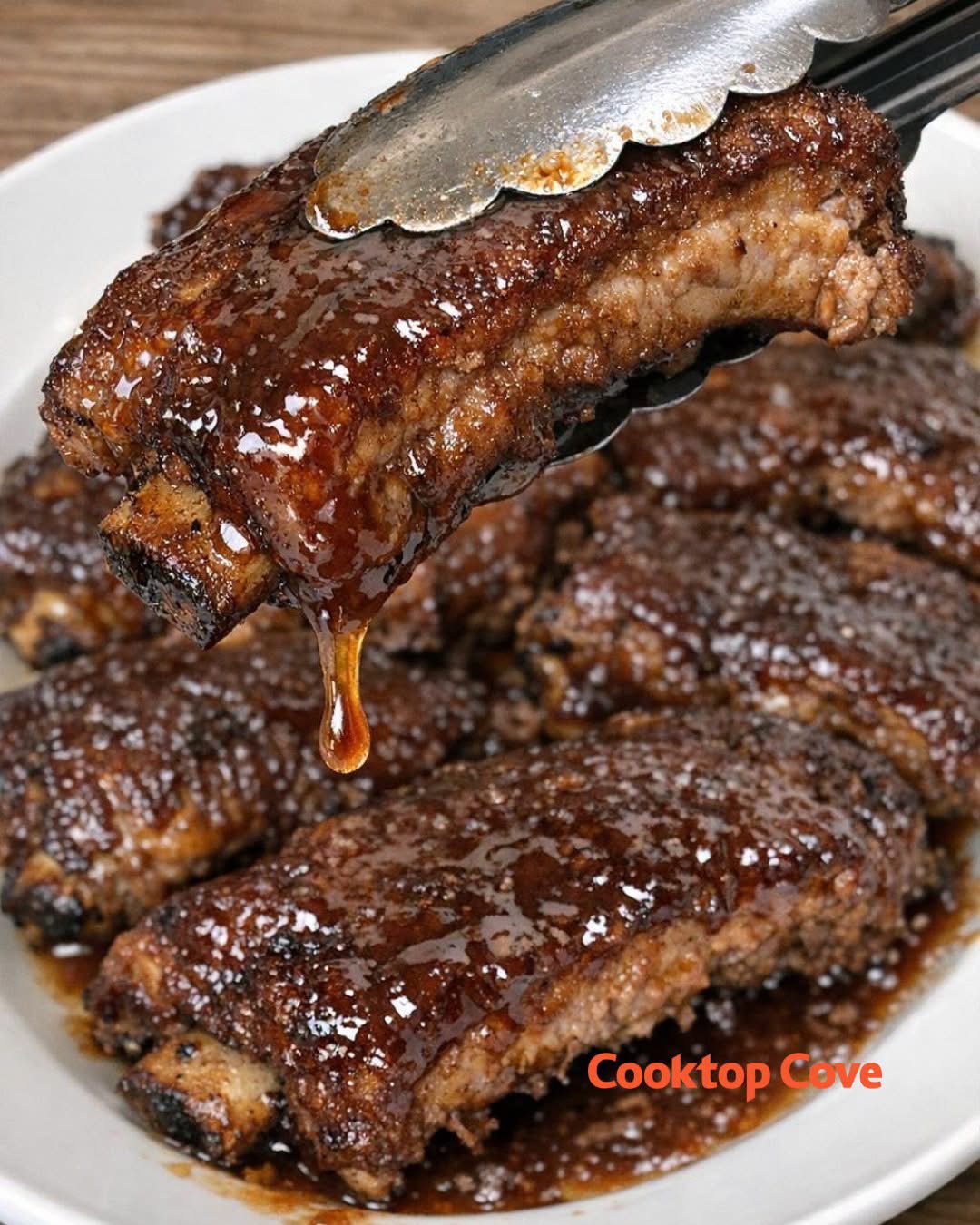
Slow Cooker Brown Sugar BBQ Beef Ribs are the ultimate comfort-food dinner when you want incredibly tender meat coated in a thick, sticky, sweet-and-savory barbecue glaze. The ribs cook slowly for hours, allowing the meat to soften while absorbing the flavors of brown sugar, garlic, Worcestershire sauce, smoked paprika, and barbecue sauce.
The best part is how simple the preparation is. Once the ribs and sauce are in the slow cooker, most of the work is finished. At the end, a quick glaze and broil creates those dark, caramelized edges and glossy finish that make the ribs look and taste irresistible.
Why You Will Love This Recipe
These slow cooker ribs are easy enough for a weeknight but impressive enough for a weekend family dinner.
Slow cooking helps tougher cuts of beef become exceptionally tender without requiring constant attention.
The homemade brown sugar BBQ glaze combines sweetness, smokiness, tanginess, and savory flavor in every bite.
You can also prepare most of the ingredients ahead of time, making this an excellent option when you need a low-effort dinner.
Recipe Information
Prep Time: 15 minutes
Cook Time: 7–8 hours on LOW or 4–5 hours on HIGH
Finishing Time: 5–8 minutes
Total Time: About 8 hours
Servings: 4–6
Difficulty: Easy
Method: Slow Cooker
Main Ingredients
Beef ribs: Meaty beef back ribs or short ribs work well. Look for ribs with good marbling because the fat helps keep the meat tender during slow cooking.
Brown sugar: Adds sweetness and helps create the sticky caramelized exterior.
Barbecue sauce: Forms the main base of the glaze. A smoky or classic-style BBQ sauce works especially well.
Worcestershire sauce: Adds savory depth and complements the beef.
Apple cider vinegar: Cuts through the sweetness and richness.
Smoked paprika: Adds a subtle smoky flavor even when the ribs are prepared entirely indoors.
Ingredients
3–4 pounds meaty beef ribs
1 teaspoon kosher salt
1 teaspoon coarse black pepper
2 teaspoons smoked paprika
1 teaspoon onion powder
½ teaspoon ground mustard
½ teaspoon chili powder
½ cup packed brown sugar
1½ cups barbecue sauce
2 tablespoons Worcestershire sauce
2 tablespoons apple cider vinegar
1 tablespoon Dijon mustard
3 cloves garlic, minced
1 tablespoon honey
½ teaspoon liquid smoke, optional
How to Choose the Best Ingredients
Choose thick, meaty ribs rather than pieces with very little meat surrounding the bones. Some visible fat and marbling is desirable because it slowly renders during cooking.
For the barbecue sauce, choose one you already enjoy. Since it provides much of the finished flavor, its sweetness and smokiness will noticeably affect the dish.
Dark brown sugar provides a stronger molasses flavor, while light brown sugar creates a slightly milder glaze.
Fresh garlic is recommended because its flavor mellows beautifully during the long cooking process.
Prepare the Beef Ribs
Pat the ribs dry with paper towels.
If there is a tough membrane along the back of the ribs, loosen an edge with a small knife and pull it away using a paper towel for grip.
Combine the salt, black pepper, smoked paprika, onion powder, ground mustard, and chili powder.
Rub the seasoning mixture generously over all sides of the ribs.
Allow the seasoned ribs to rest for about 10 minutes while preparing the sauce.
Prepare the BBQ Glaze
In a medium bowl, combine the barbecue sauce, brown sugar, Worcestershire sauce, apple cider vinegar, Dijon mustard, minced garlic, honey, and optional liquid smoke.
Whisk until the brown sugar is incorporated and the sauce becomes smooth.
Reserve approximately ½ cup of the sauce for finishing the ribs.
Step-by-Step Instructions
Season the beef ribs thoroughly with the prepared spice mixture.
Spread several spoonfuls of BBQ sauce across the bottom of the slow cooker.
Arrange the ribs inside. They can overlap slightly if necessary.
Pour the remaining cooking portion of the brown sugar BBQ sauce over the ribs.
Turn the ribs carefully so the sauce coats them evenly.
Cover and cook on LOW for approximately 7–8 hours or HIGH for 4–5 hours.
Check the ribs near the end of cooking. They should be extremely tender, but ideally still hold together well enough to transfer.
Carefully remove the ribs using tongs and arrange them on a foil-lined baking sheet.
Brush them generously with the reserved barbecue sauce.
Place the ribs under a hot broiler for approximately 3–5 minutes.
Watch them continuously as the brown sugar can caramelize quickly.
When the surface becomes dark, bubbling, glossy, and lightly charred around the edges, remove the ribs.
Brush with another thin layer of warm sauce before serving.
Tips for Best Results
Cook the ribs primarily on LOW whenever possible. The slower cooking process produces especially tender results.
Avoid adding water. Beef ribs release juices as they cook, while the BBQ sauce provides additional moisture.
Do not repeatedly open the slow cooker lid. Every time the lid is removed, heat escapes.
Handle the finished ribs carefully because properly slow-cooked meat can become extremely tender.
For the glossy appearance, do not skip the final sauce coating.
Broiling is optional, but it creates the beautiful caramelized finish associated with sticky BBQ ribs.
Flavor Variations
For spicy BBQ ribs, add cayenne pepper, hot sauce, or crushed red pepper flakes.
For honey garlic ribs, increase the honey and add two additional cloves of garlic.
For maple BBQ ribs, replace part of the brown sugar with pure maple syrup.
For smokier ribs, use a smoky barbecue sauce and add a small amount of liquid smoke.
For sweet-and-tangy ribs, increase the apple cider vinegar slightly and add an extra tablespoon of brown sugar.
How to Serve
Serve these ribs immediately while the glaze is hot and sticky.
They pair beautifully with creamy mashed potatoes, baked potatoes, mac and cheese, coleslaw, corn on the cob, baked beans, roasted vegetables, or buttery dinner rolls.
For a classic barbecue-style dinner, serve them with coleslaw, corn, baked beans, and extra BBQ sauce on the side.
Meal Prep & Storage
Leftover ribs can be refrigerated in an airtight container for up to 4 days.
Store some additional sauce with them to keep the meat moist.
For reheating, place the ribs in a covered baking dish at 325°F until heated through. Brush them with additional BBQ sauce before serving.
Cooked ribs can also be frozen for approximately 2–3 months. Thaw overnight in the refrigerator before reheating.
Common Mistakes to Avoid
Do not cook the ribs without seasoning them first. The spice rub provides flavor underneath the sauce.
Avoid adding too much liquid because the slow cooker naturally traps moisture.
Do not transfer the ribs roughly after cooking. They may be tender enough to fall away from the bone.
Avoid leaving the ribs unattended under the broiler. The sugar-heavy glaze can go from caramelized to burned quickly.
Finally, give the ribs enough cooking time. If the meat still feels tough, it usually needs more time to tenderize.
FAQ
Can I use pork ribs instead of beef ribs?
Yes. Pork spare ribs or baby back ribs work well, although cooking time may need to be adjusted depending on their size.
Should I brown the ribs before slow cooking?
It is optional. The final broiling step provides plenty of caramelization.
Can I skip the broiler?
Yes. The ribs will still taste delicious, but broiling gives them a darker, stickier BBQ exterior.
How do I know when the ribs are ready?
The meat should be very tender and pull away easily when tested with a fork.
Can I make the sauce ahead of time?
Yes. Mix the sauce up to two days ahead and keep it refrigerated in a sealed container.
Can I double the recipe?
Yes, provided your slow cooker is large enough. Avoid packing it so tightly that the ribs cannot cook evenly.
Final Thoughts
Slow Cooker Brown Sugar BBQ Beef Ribs deliver everything you want from classic sticky ribs: tender beef, smoky seasoning, caramelized edges, and a rich brown sugar barbecue glaze. The slow cooker handles most of the cooking, while a quick finishing step under the broiler transforms the ribs into a glossy, crowd-pleasing dinner perfect for family meals, weekends, and special occasions.