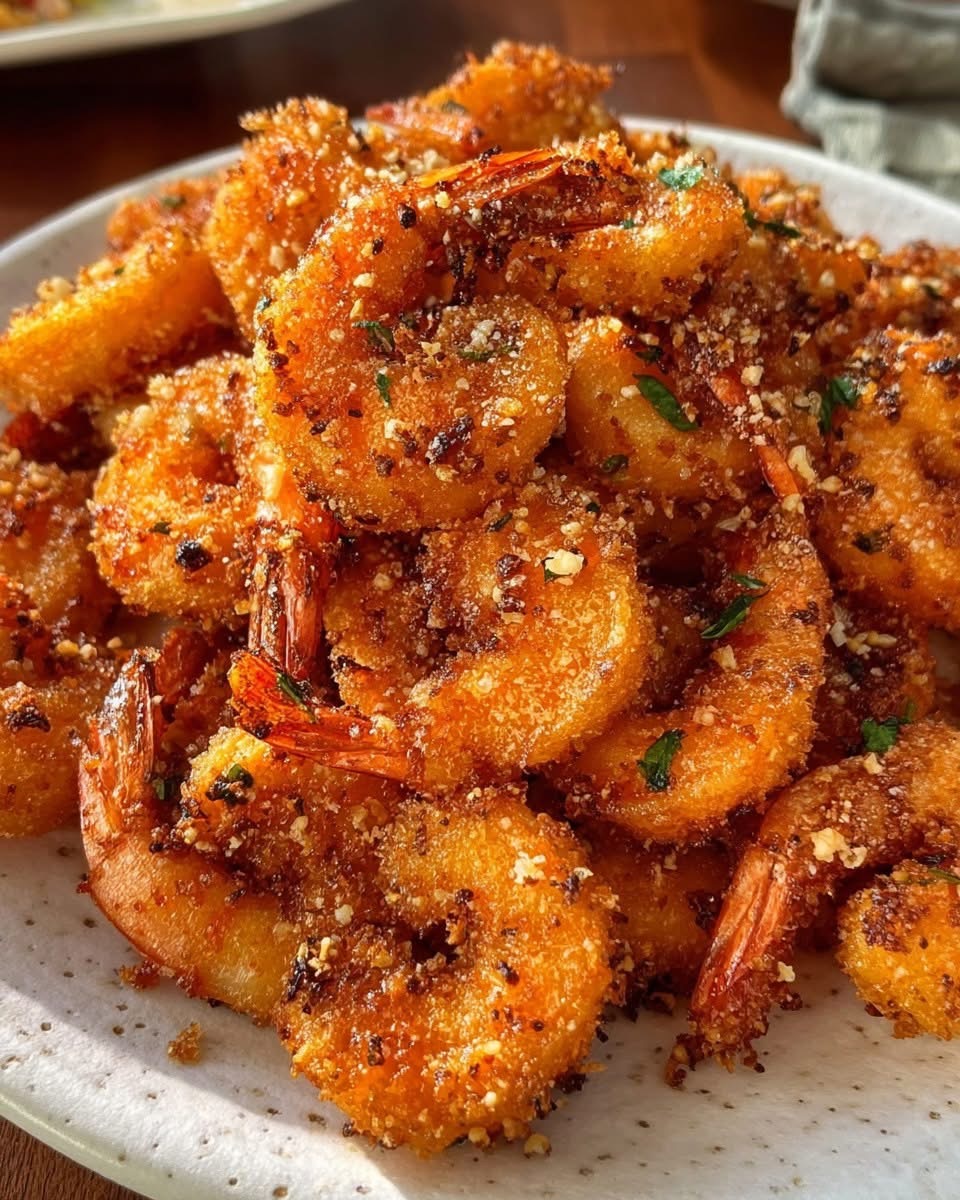
The Ultimate Guide to Crispy Garlic Parmesan Fried Shrimp
Crispy Garlic Parmesan Fried Shrimp is a world-class seafood dish combining jumbo shrimp, a crunchy panko crust, savory garlic, and sharp Parmesan cheese. This comprehensive culinary guide breaks down every aspect of this crowd-pleasing dish, including its history, nutritional breakdown, scientific structural formation, health benefits, step-by-step methods, and a celebration of its modern pop-culture lovers.
1. Introduction to the Dish
Crispy Garlic Parmesan Fried Shrimp represents the peak of modern comfort food fusion. By taking the classic seaside fried shrimp technique and elevating it with an Italian-American garlic-parm flavor profile, this dish achieves an exceptional balance of textures and tastes.
When done correctly, each shrimp features a shatteringly crisp exterior that gives way to a tender, juicy, and sweet interior. The seasoning profile relies heavily on umami from aged Parmesan cheese, a sharp bite from dehydrated and fresh garlic, and a clean, aromatic finish from freshly chopped parsley. It serves beautifully as an upscale game-day appetizer, a decadent party finger food, or the star protein of a luxury weeknight dinner.
2. Comprehensive Ingredient Breakdown
To achieve a perfectly balanced crust and a succulent interior, you must select high-quality ingredients. Each component has a specific role in texture, moisture control, and flavor delivery.
The Seafood Base
- Jumbo Shrimp (16/20 count): 2 pounds (approx. 1 kg). Fresh or high-quality thawed shrimp. Keep the tails on for easy handling, but peel and devein completely. Larger shrimp stay juicy during the high-heat frying process.
The Three-Stage Dredge (Structural Crust)
- Stage 1: The Flour Dusting
- All-Purpose Flour: 1 cup. Creates a bone-dry surface on the shrimp so the liquid egg wash can cling efficiently.
- Cornstarch: 2 tablespoons. Lowers the overall gluten content of the flour dredge, resulting in a lighter, crunchier bite.
- Stage 2: The Egg Binder
- Large Eggs: 3 whole eggs. Act as the protein glue holding the heavy panko mixture to the flour coat.
- Heavy Cream or Whole Milk: 2 tablespoons. Thins out the eggs slightly for an even, non-clumpy liquid coat.
- Hot Sauce (Optional): 1 teaspoon. Adds subtle acidity and cuts through the richness without making the dish distinctly spicy.
- Stage 3: The Crunch & Flavor Crust
- Panko Breadcrumbs: 2 cups. Japanese panko crumbs are flaky and porous. They absorb less oil and yield a much crispier finish than dense, traditional breadcrumbs.
- Grated Parmesan Cheese: 1 cup. Use finely grated, aged Parmigiano-Reggiano. Avoid pre-shredded varieties sold in plastic tubs; these contain anti-caking cellulose agents that prevent clean melting and crisping.
- Garlic Powder: 2 tablespoons. Dehydrated garlic distributes evenly throughout the dry breading mix without burning in the hot oil.
- Onion Powder: 1 tablespoon. Adds an underlying sweet, savory depth.
- Dried Oregano & Dried Thyme: 1 teaspoon each. Infuses an earthy, Mediterranean aromatic undertone.
- Fine Sea Salt & Freshly Cracked Black Pepper: 1.5 teaspoons each.
The Finishing Garlic-Parmesan Glaze
- Unsalted Butter: 4 tablespoons (1/2 stick). Melted gently to carry the fresh aromatics over the fried shrimp.
- Fresh Garlic: 5 cloves, minced fine. Cooked minimally in the warm butter to retain its sharp, punchy aroma.
- Shaved Parmesan Cheese: 1/4 cup. Added at the very end for visual appeal and distinct pockets of rich cheese flavor.
- Fresh Flat-Leaf Parsley: 1/4 cup, finely chopped. Adds color and a bright, grassy contrast to the heavy, savory notes.
- Lemon Wedges: 2 whole lemons, cut into wedges for serving. The citric acid cuts through the frying oil and accentuates the sweetness of the shrimp.
The Cooking Medium
- Frying Oil: 4 to 6 cups of a high-smoke-point oil. Excellent options include peanut oil, canola oil, corn oil, or beef tallow. Avoid extra virgin olive oil for deep-frying, as its low smoke point will burn and turn bitter at frying temperatures.
3. Detailed Nutritional Analysis
Understanding the macronutrient and micronutrient layout helps you integrate this rich seafood dish into a balanced meal plan. The figures below are calculated per standard 4-ounce serving (approximately 4-5 jumbo coated shrimp).
| Nutrient Component | Value Per 4 oz Serving | Daily Value Percentage (% DV) |
|---|---|---|
| Calories | 380 kcal | 19% |
| Total Fat | 22g | 28% |
| Saturated Fat | 7g | 35% |
| Trans Fat | 0g | 0% |
| Cholesterol | 185mg | 62% |
| Sodium | 680mg | 30% |
| Total Carbohydrates | 18g | 6% |
| Dietary Fiber | 1g | 4% |
| Sugars | 1g | — |
| Protein | 26g | 52% |
| Vitamin D | 1.2mcg | 6% |
| Calcium | 210mg | 16% |
| Iron | 2.1mg | 12% |
| Potassium | 290mg | 6% |
Macronutrient Breakdown
- High-Quality Protein: Shrimp is an exceptionally lean source of pure protein. It supplies all nine essential amino acids required for muscle synthesis and cellular repair.
- Carbohydrates: The carbohydrate load comes exclusively from the flour and panko breadcrumbs. Incorporating cornstarch cuts down on total starch weight while maximizing structural crunch.
- Fats: Deep frying introduces lipid absorption. However, using high-smoke-point oils minimizes grease pooling inside the food. The remaining saturated fats stem from the authentic dairy components: real butter and aged Parmesan cheese.
4. Health and Dietary Benefits
While deep-fried foods are best enjoyed as an indulgent treat, the core ingredients offer excellent health benefits:
- Selenium and Antioxidant Protection: Shrimp contains high levels of selenium, a mineral that supports thyroid health and protects cells from oxidative damage.
- Astaxanthin Content: The pink pigment in shrimp comes from astaxanthin, a powerful carotenoid antioxidant linked to reduced inflammation and improved skin elasticity.
- Bone Density Support: Real Parmesan cheese provides bioavailable calcium and phosphorus, which strengthen the skeletal matrix.
- Cardiovascular and Immune Boost from Garlic: Fresh garlic contains allicin, a compound known for its antimicrobial, blood-pressure-lowering, and immune-boosting properties.
- Cognitive Function: Packed with Vitamin B12 and choline, this dish supports neurological health, neurotransmitter production, and memory retention.
5. Food Science and Structural Formation
The magic of this recipe relies heavily on fundamental food science. Achieving a crisp crust that doesn’t soggy or slide off requires managing three key principles:
[Shrimp Surface Moisture] -> Absorbed by Flour/Cornstarch Dusting (Dry Base)
                                    │
                                    ▼
[Egg Wash Bath] ----------> Clings to Dry Base, Creating Protein Glue Matrix
                                    │
                                    ▼
[Panko & Parmesan] -------> Bonds to Egg Glue; Traps Air Pockets for Frying
The Three-Stage Coating Bond
Moisture is the enemy of crispiness. Raw shrimp naturally exude water. If you apply breadcrumbs directly to raw shrimp, steam will build up during cooking, causing the coating to slide right off.
- Flour and Cornstarch absorb this surface moisture, forming a dry, starchy foundation.
- The Egg Wash hydrates this flour layer, creating a sticky protein glue matrix.
- The Panko and Shredded Parmesan lock onto this sticky surface.
The Maillard Reaction and Lipid Dynamics
During frying, the hot oil causes the water inside the panko and cheese to evaporate rapidly. This creates the signature air pockets that make fried food crunchy.
At the same time, the proteins in the egg and shrimp react with the natural sugars in the flour and panko. This chemical transformation—known as the Maillard Reaction—develops a deep golden-brown color and complex, savory flavors.
Furthermore, as the Parmesan cheese heats up, its fats melt and interlace with the panko flakes, creating a rigid, crispy shell that seals in the shrimp’s natural juices.
6. Historical Context and Evolution
The pairing of shrimp, garlic, and cheese is the result of decades of cross-cultural culinary evolution.
The Coastal Roots of Fried Shrimp
Deep-frying seafood is an ancient technique practiced for centuries across Mediterranean coastlines, West African ports, and Japanese kitchens (tempura). In the United States, fried shrimp grew incredibly popular along the Gulf Coast and Southern Atlantic seaboard during the late 19th and early 20th centuries. Calabash-style and traditional Southern-battered fried shrimp became staple comfort foods, celebrated for their simple seasoning and satisfying crunch.
The Italian-American Renaissance
Meanwhile, Italian immigrants arriving in New York, San Francisco, and New Orleans during the late 1800s adapted traditional Old-World recipes to American ingredients. Classic dishes like Shrimp Scampi combined seafood with massive amounts of garlic, butter, and white wine.
As Italian-American cuisine grew in popularity through the mid-20th century, home cooks and restaurants began experimenting with cheese pairings. While traditional Italian coastal cooking avoids mixing cheese with seafood, American diners loved the rich combination.
By the late 1990s and early 2000s, the “Garlic Parmesan” flavor profile became a global sensation—starting with chicken wings and quickly spreading to french fries, roasted vegetables, and crispy fried shrimp.
7. Step-by-Step Cooking Methods
Follow these detailed steps to achieve perfect, restaurant-quality results at home.
Preparation and Dredging Setup
- Prep the Shrimp: Thaw the shrimp completely if frozen. Pat them thoroughly dry using multiple layers of paper towels. Any leftover moisture will steam in the oil and make the breading soggy.
- Set Up Station 1: In a shallow pie dish or bowl, whisk together the all-purpose flour, cornstarch, and 0.5 teaspoon each of salt and pepper.
- Set Up Station 2: In a second bowl, beat the 3 large eggs along with the heavy cream and hot sauce until completely smooth and free of streaks.
- Set Up Station 3: In a third wide dish, thoroughly combine the panko breadcrumbs, finely grated Parmesan cheese, garlic powder, onion powder, dried oregano, dried thyme, and the remaining salt and pepper.
The Assembly Line Technique
- Dust: Hold a single shrimp by its tail. Dredge it completely in the flour mixture, shaking off any excess. The shrimp should have a very thin, chalky coating.
- Dip: Submerge the floured shrimp entirely into the egg wash. Lift it up and let the excess liquid drip back into the bowl for two seconds.
- Coat: Place the sticky shrimp into the panko-parmesan mixture. Use your dry hand to heap breadcrumbs over the shrimp, then press firmly down. This ensures the flaky panko and grated cheese bond tightly to the egg wash.
- Rest: Transfer the coated shrimp to a large wire rack set over a baking sheet. Repeat for all remaining shrimp. Let the breaded shrimp rest on the rack for 10 minutes before frying. This crucial resting period lets the starches gel and ensures the breading sticks perfectly during frying.
The Deep-Frying Process
- Heat the Oil: Pour your high-smoke-point oil into a large, heavy-bottomed Dutch oven or deep fryer. The oil should be at least 3 inches deep. Heat over medium-high until a clip-on deep-fry thermometer reads exactly 350°F (177°C).
- Fry in Batches: Carefully lower 6 to 8 shrimp into the hot oil one by one. Do not overcrowd the pot; adding too many shrimp at once drops the oil temperature, making the crust oily and soggy.
- Monitor the Time: Fry the shrimp for 2.5 to 3 minutes. They will quickly turn a beautiful golden-brown, and the shrimp will curl into an “C” shape.
- Drain: Use a slotted spoon or spider strainer to lift the shrimp out of the oil. Transfer them immediately to a clean wire rack or a baking sheet lined with paper towels to drain any excess surface oil.
The Finishing Toss
- Warm the Butter Glaze: In a large stainless steel bowl, melt the 4 tablespoons of unsalted butter over low heat. Add the minced fresh garlic and cook for 1 minute just until fragrant. Turn off the heat.
- Toss Gently: Add the hot, freshly fried shrimp to the bowl with the garlic butter. Toss gently for 5 to 10 seconds to lightly coat the crust without making it soggy.
- Garnish and Serve: Transfer the shrimp to a warm serving platter. Scatter the shaved Parmesan cheese and fresh chopped parsley over the top. Serve immediately with fresh lemon wedges on the side.
8. Alternative Cooking Methods
If you prefer not to deep-fry, you can easily adapt this recipe for the air fryer or oven while keeping that signature crunch.
The Air Fryer Method
- Preheat your air fryer to 390°F (199°C) for 5 minutes.
- Follow the exact same dredging process detailed above.
- Lightly grease the air fryer basket with a high-heat cooking spray (like avocado oil spray). Place the breaded shrimp inside in a single, uncrowded layer.
- Mist the tops of the shrimp generously with the oil spray. This helps the panko brown beautifully without deep-frying.
- Air fry for 6 to 8 minutes, flipping the shrimp halfway through and applying another light mist of oil spray.
- Once golden and crisp, toss them in the warm garlic butter and garnish as usual.
The Oven-Baked Method
- Preheat your oven to 425°F (218°C). Place a large wire baking rack inside a rimmed baking sheet.
- To get a beautiful golden color in the oven, toast your panko breadcrumbs in a dry skillet over medium heat for 3 minutes until lightly golden before mixing them with the cheese and spices.
- Dredge the shrimp using the standard three-stage process.
- Arrange the breaded shrimp in a single layer on the wire rack.
- Bake for 10 to 12 minutes until the shrimp are firm and fully cooked through.
- Finish with the garlic butter toss and fresh toppings.
9. Who Loves This Dish? (The Culinary Audience)
This recipe appeals to a wide variety of food lovers across different dining circles:
- The Seafood Enthusiast: Seafood lovers appreciate how the rich garlic-herb crust highlights the natural sweetness of high-quality jumbo shrimp.
- The Game-Day Crowd: This dish makes the perfect high-energy party food. It offers a sophisticated, flavor-packed alternative to standard chicken wings or mozzarella sticks.
- The Tapas and Small-Plate Fanatic: Fans of modern bistro dining love pairing these crispy bites with a glass of crisp white wine or a craft beer.
- The Weeknight Gourmet: Busy home cooks adore this recipe because it delivers upscale, restaurant-quality elegance in under 45 minutes.
10. Conclusion and Serving Suggestions
Crispy Garlic Parmesan Fried Shrimp stands out as a masterful combination of textures and flavors. By pairing sweet, tender shrimp with a crunchy panko-cheese crust and a rich garlic-butter finish, this recipe delivers pure comfort food bliss.
Perfect Side Dish Pairings
To turn this magnificent appetizer into a complete, balanced dinner, pair it with these excellent sides:
- Starches: Serve over a bed of buttery angel hair pasta, a creamy Caesar salad, or alongside a comforting bowl of Italian parmesan risotto.
- Vegetables: Balance the richness of the fried crust with charred lemon broccolini, roasted asparagus spears, or a crisp, peppery arugula salad tossed in a light lemon-herb vinaigrette.
- Beverage Pairings: Complement the savory garlic and rich cheese with a chilled glass of high-acid white wine, such as a Sauvignon Blanc, Pinot Grigio, or a crisp Italian Vermentino. For beer lovers, a clean, refreshing blonde ale or an American pilsner cuts through the fried richness beautifully.
If you would like to customize this recipe further, let me know:
- Would you prefer to explore homemade dipping sauces (like a garlic-herb aioli or spicy cocktail sauce)?
- Do you want tips on how to freeze and reheat these shrimp for meal prep?
- Are you looking for a low-carb / keto-friendly swap for the flour and panko?