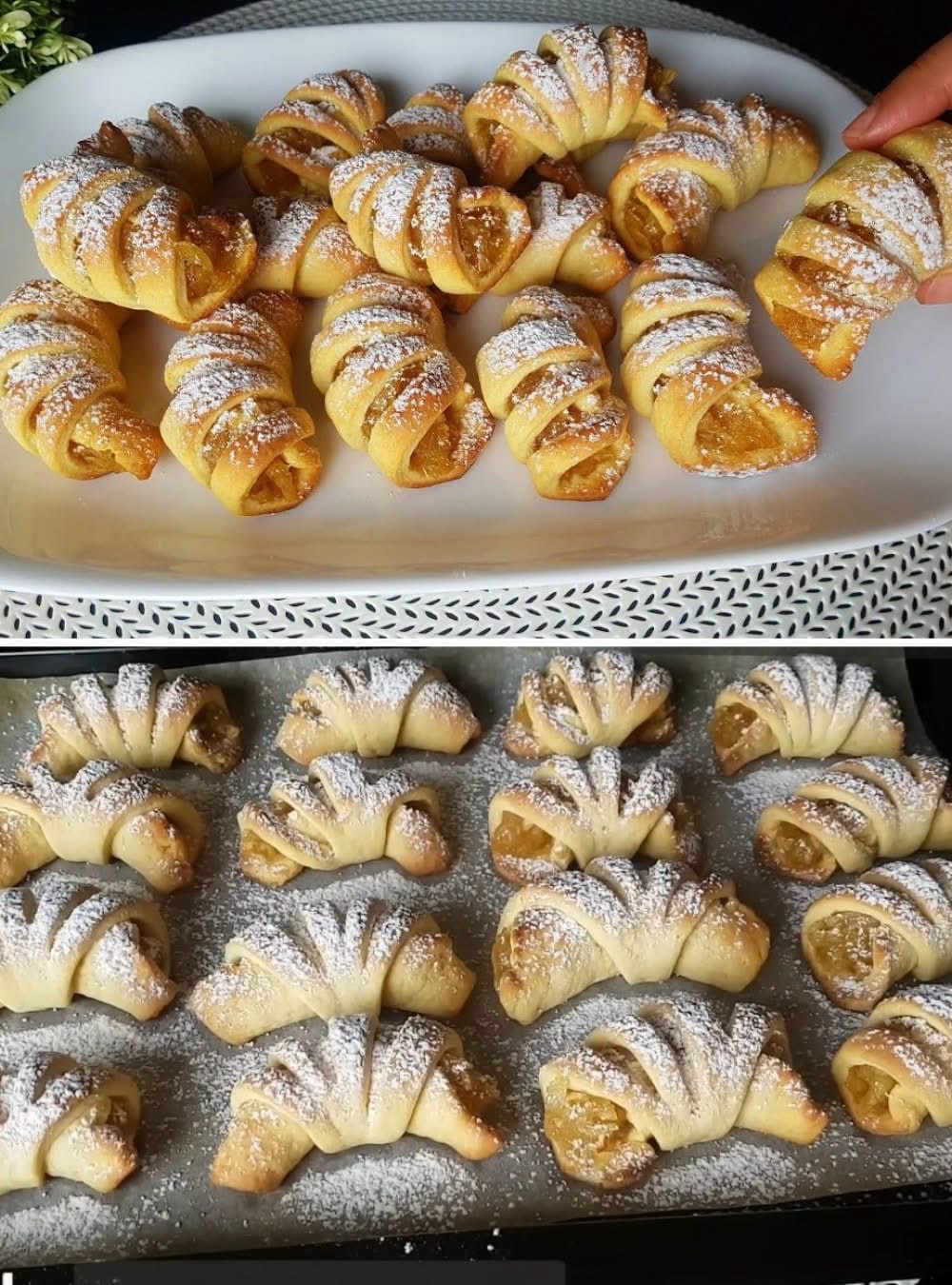
Apple Cinnamon Biscuits: Fluffy, Buttery, and Perfect for Breakfast!
Apple Cinnamon Biscuits are the ultimate morning treat, delivering a golden, flaky pastry exterior loaded with pockets of tender, spiced apples and rich butter. This master guide covers everything from historical origins to microscopic kitchen chemistry, step-by-step formation, professional techniques, and targeted nutritional profiles. Whether you are a casual baker or a culinary purist, this resource provides the deep expertise required to achieve bakery-quality results every single time.
1. Introduction
Breakfast is often called the most important meal of the day. In the world of baking, few things match the comfort of a warm, oven-fresh biscuit. The Apple Cinnamon Biscuit takes the classic American quick bread and elevates it by adding autumn flavors.
By folding fresh, tart apple chunks and sweet cinnamon into a laminated, cold-butter dough, this recipe balances textures and flavors perfectly. You get a crisp, golden crust, tender interior flakes, sweet and savory elements, and a spicy warmth that fills your home as it bakes.
+-------------------------------------------------------------+

|                THE APPLE CINNAMON BISCUIT                   |
+-------------------------------------------------------------+

|  [ Crisp Golden Crust ]  -->  Caramelized sugars & starch    |
|  [ Tender Flaky Layers ] -->  Steam from cold butter pockets |
|  [ Spiced Fruit Core ]   -->  Tart apples & aromatic bark    |
+-------------------------------------------------------------+
Making these biscuits is both an art and a science. It relies on cold fat, minimal handling, and high oven heat. This comprehensive guide details the history, science, nutrition, and techniques behind this breakfast dish, along with an optimized recipe to ensure success.
2. Historical Context
To understand the Apple Cinnamon Biscuit, we must explore the history of its main components: the Southern quick bread biscuit, the cultivation of apples, and the global spice trade of cinnamon.
       [ European Scones & Hardtack ]
                     │
                     ▼
       [ American Southern Biscuit ]  +  [ Apple Cultivation ]  +  [ Silk Road Cinnamon ]
                     │                           │                         │
                     └───────────────────────────┴─────────────────────────┘
                                                 │
                                                 ▼
                                   [ Apple Cinnamon Biscuit ]
The Evolution of the American Biscuit
The word “biscuit” comes from the Latin bis coctus, meaning “twice-baked.” In Europe, this referred to hard, dry goods like ship’s biscuits or hardtack, which were baked multiple times to remove moisture and maximize shelf life for long sea voyages.
When European settlers arrived in North America, they adapted their baking traditions. In the American South, soft winter wheat flourished. Unlike northern hard wheat, which is high in protein and ideal for chewy yeast breads, soft winter wheat has a low protein content (around 8-9%). This makes it perfect for chemically leavened quick breads with a tender crumb.
The invention of commercial baking powder and baking soda in the 19th century changed home baking. It allowed cooks to skip the lengthy yeast fermentation process and make high-rising biscuits using buttermilk and lard or butter.
The Journey of the Apple
Apples (Malus domestica) are not native to North America; they originated in the mountains of Kazakhstan. Seeds were brought to the American colonies in the 17th century.
While early orchards primarily grew apples for hard cider, 19th-century agriculturalists bred varieties specifically for cooking, baking, and fresh eating. Varieties like the Granny Smith, Jonagold, and Honeycrisp provided the firm texture and tart flavor needed to hold up inside hot dough without turning to mush.
Cinnamon and the Global Spice Trade
Cinnamon is one of the world’s oldest traded spices. Derived from the inner bark of trees belonging to the genus Cinnamomum, it was once so rare and prized that it was offered as a gift to kings and deities.
- Ceylon Cinnamon (Cinnamomum verum): Known as “true cinnamon,” it features a delicate, complex, and slightly sweet flavor profile.
- Cassia Cinnamon (Cinnamomum cassia): Darker, woodier, and punchier, this variety dominates the North American market and provides the classic spice notes found in traditional baked goods.
The Modern Culinary Fusion
Combining fruit and spices into biscuit dough bridges the gap between the classic British scone and the American buttermilk biscuit. Scones often feature dried fruits, cream, and eggs, resulting in a denser, crumbly texture.
The Apple Cinnamon Biscuit uses the American technique of laminating cold butter into a soft wheat dough, creating distinct, flaky layers. Adding spiced fresh fruit turns a traditional side dish into a standalone breakfast centerpiece.
3. The Science of Formation & Chemistry
The secret to a sky-high biscuit with distinct flakes lies in food chemistry. Every step of this recipe relies on managing temperatures, moisture, and proteins.
+--------------------------------------------------------------------------+

|                       THE CHEMISTRY OF THE RISE                          |
+--------------------------------------------------------------------------+

| 1. Solid Cold Butter   ==> Oven Heat ==> Melts & Releases Water Vapor     |
| 2. Trapped Steam       ==> Expands   ==> Pushes Flour Layers Upward      |
| 3. Carbon Dioxide Gas ==> Expands   ==> Inflates Pockets within Dough   |
| 4. Wheat Gluten        ==> Coagulates==> Sets the Permanent Flaky Structure|
+--------------------------------------------------------------------------+
Gluten Mitigation
Gluten is a protein network formed when water mixes with the proteins gliadin and glutenin found in wheat flour. While gluten gives chewiness and structure to pizza dough and baguettes, it is the enemy of a tender biscuit.
To keep biscuits light and soft, we use low-protein flour and handle the dough as little as possible. Over-kneading develops the gluten network, turning a light biscuit tough and dense.
The Role of Solid Fat Pockets
The flaky layers are created through a physical separation of dough by fat. When cold butter is cut into the flour, it forms small, flat pockets throughout the mixture.
It is critical that this butter stays cold and solid until it enters the oven. When the cold dough hits the intense heat of a 425°F (218°C) oven, several reactions happen at once:
- Steam Release: Butter contains roughly 16-18% water. As the butter melts in the oven, this water flashes into steam.
- Expansion: The trapped steam expands, pushing the surrounding layers of flour upward.
- Structure Setting: As the steam drives the layers apart, the flour proteins and starches bake and set, preserving those flaky gaps.
If the butter melts before baking—due to warm hands or room temperature—it absorbs into the flour. This results in a heavy, greasy, shortbread-like texture instead of distinct flakes.
Chemical Leavening Mechanics
While steam creates the layers, chemical leavening agents provide the lift within those layers. This recipe uses a combination of baking powder and baking soda:
$$\text{Baking Powder} \xrightarrow{\text{Moisture + Heat}} \text{Carbon Dioxide Gas } (CO_2)$$
$$\text{Baking Soda} + \text{Acidic Buttermilk} \longrightarrow \text{Sodium Lactate} + \text{Water} + \text{Carbon Dioxide Gas } (CO_2)$$
- Baking Powder: Double-acting baking powder releases carbon dioxide gas twice—first when it hits moisture, and second when exposed to oven heat.
- Baking Soda: This requires an acid to activate. The lactic acid in buttermilk triggers an immediate reaction, releasing carbon dioxide bubbles that expand the dough. It also neutralizes excess acid, promoting even browning via the Maillard reaction.
Fruit Moisture Control
Fresh apples are over 85% water. If you fold raw, wet apples directly into biscuit dough, they release excess moisture during baking, creating soggy pockets.
To prevent this, the apples are diced small and sautéed with cinnamon and sugar before mixing. This cooks out excess water, concentrates the apple flavor, and coats the fruit in a sticky caramel syrup that stays put within the dough.
4. Ingredients Marketplace
Choosing high-quality ingredients is essential for making great biscuits. Here is a look at what you need and why it matters.
Dry Base
- All-Purpose Flour (Soft Wheat Preferred): Look for brands with a protein content around 10-11%, or mix unbleached all-purpose flour with pastry flour. This keeps the biscuit structure strong enough to hold the apples but tender enough to melt in your mouth.
- Baking Powder: Ensure it is fresh and aluminum-free to avoid any metallic aftertaste.
- Baking Soda: Provides an extra boost when paired with buttermilk.
- Granulated Sugar: A small amount softens the gluten structure and aids in crust browning.
- Fine Sea Salt: Enhances the butter, apple, and spice flavors.
The Fats & Liquids
- Unsalted Sweet Cream Butter: Use high-quality butter with at least 80% butterfat. Unsalted butter lets you control the salt level exactly. Keep it in the freezer for 20 minutes before grating or dicing.
- Full-Fat Buttermilk: Genuine buttermilk adds a tangy flavor and provides the acidity needed to activate the baking soda and tenderize the flour.
Fruit & Spice Compote
- Granny Smith or Honeycrisp Apples: These varieties offer a crisp bite and tart contrast to the rich dough, holding their shape well during baking.
- Ground Cassia Cinnamon: Adds a classic warmth and aroma.
- Dark Brown Sugar: Rich in molasses, it creates a caramel coating on the apples.
- Pure Vanilla Extract: Adds depth to both the apple mixture and the optional glaze.
5. Master Ingredient Quantities
| Component | Ingredient | Metric Mass (g) | US Cups / Imperial | Function in Recipe |
|---|---|---|---|---|
| Dough Base | All-Purpose Flour | 360 g | 3 cups (spooned & leveled) | Structure & framework |
| Granulated Sugar | 25 g | 2 tbsp | Tenderness & browning | |
| Baking Powder | 15 g | 1 tbsp | Primary leavening / lift | |
| Baking Soda | 3 g | ½ tsp | Secondary leavening & color | |
| Fine Sea Salt | 6 g | 1 tsp | Flavor enhancement | |
| Inclusions | Unsalted Butter (Frozen) | 115 g | 1 stick (½ cup) | Flakiness & rich flavor |
| Fresh Tart Apples (Diced) | 150 g | 1 cup packed | Fruit flavor & texture | |
| Dark Brown Sugar | 25 g | 2 tbsp | Apple caramelization | |
| Ground Cinnamon | 4 g | 1½ tsp | Warm aromatic spice | |
| Liquid Binding | Cold Full-Fat Buttermilk | 240 mL | 1 cup | Hydration & acid activation |
| Pure Vanilla Extract | 5 mL | 1 tsp | Flavor depth | |
| Finishing Glaze | Powdered Sugar | 120 g | 1 cup | Sweet topping |
| Whole Milk or Cream | 30 mL | 2 tbsp | Glaze thinning agent | |
| Ground Cinnamon | 1 g | ¼ tsp | Spice visual accent |
6. Step-by-Step Instructions & Methods
Follow these detailed steps to prepare, assemble, and bake your Apple Cinnamon Biscuits.
Step 1: Prepare the Spiced Apple Inclusion
- Peel, core, and cut your apples into small, uniform cubes (about $\frac{1}{8}$ to $\frac{1}{4}$ inch thick). Small pieces ensure even distribution without breaking the dough layers.
- Melt 1 tablespoon of butter in a small skillet over medium heat. Add the diced apples, dark brown sugar, and 1 teaspoon of ground cinnamon.
- Cook for 5 to 7 minutes, stirring frequently, until the apples are tender but still hold their shape. The moisture will mix with the sugar to form a thick syrup.
- Spread the cooked apples onto a plate or parchment sheet and place them in the refrigerator to cool completely. Never add warm fruit to biscuit dough.
Step 2: Prepare the Dry Mix and Chill the Fat
- In a large bowl, whisk together the flour, granulated sugar, baking powder, baking soda, salt, and the remaining $\frac{1}{2}$ teaspoon of cinnamon.
- Use a box grater to grate your frozen stick of unsalted butter directly into the flour mixture. Grating creates uniform pieces of fat that distribute evenly without overworking.
- Toss the grated butter lightly with the flour using your fingertips until every piece of fat is coated. Place the bowl into the freezer for 10 minutes to ensure everything stays cold.
Step 3: Hydrate the Dough
- Remove the flour and butter mixture from the freezer. Pour the cooled apple chunks into the bowl, tossing gently to distribute them.
- Create a well in the center of the mixture. Pour in the cold buttermilk and vanilla extract.
- Use a wooden spoon or silicone spatula to gently fold the ingredients together just until a shaggy dough forms and no large pockets of dry flour remain. The dough should look loose and slightly messy.
Step 4: Lamination (The Secret to Sky-High Layers)
- Turn the shaggy dough out onto a lightly floured countertop. Gently press it into a rough rectangle about 1 inch thick.
- Fold the dough into thirds, just like a letter. Rotate the dough 90 degrees, press it back into a 1-inch thick rectangle, and fold it into thirds again.
- Repeat this process a total of 4 to 5 times. This simple lamination technique creates dozens of alternating layers of fat and dough, ensuring a towering rise.
Step 5: Cut the Biscuits
- Press the folded dough down into its final rectangle, about 1 to $1\frac{1}{4}$ inches thick.
- Use a sharp, 2½-inch round biscuit cutter to press straight down into the dough. Do not twist the cutter. Twisting pinches and seals the edges of the dough, which traps the steam and prevents the biscuits from rising fully.
- Gather any remaining dough scraps, press them together gently, and cut out the final biscuits. Place the biscuits on a baking sheet lined with parchment paper, making sure their edges touch slightly. This helps them support each other as they rise upward. Place the baking sheet in the fridge while your oven finishes heating.
Step 6: Bake to Perfection
- Preheat your oven to 425°F (218°C).
- Brush the tops of the cold biscuits with a tablespoon of melted butter or buttermilk for a golden finish.
- Bake for 15 to 18 minutes until the tops are golden brown and the biscuits have risen high.
- Remove them from the oven and let them cool on the baking sheet for 5 minutes before transferring them to a wire rack.
Step 7: Apply the Spiced Glaze
- In a small bowl, whisk together the powdered sugar, milk (or cream), and a pinch of cinnamon until smooth.
- Drizzle the glaze generously over the warm biscuits, allowing it to seep into the flaky cracks. Serve warm.
7. Nutritional Profiling
Understanding the nutritional content helps you fit these treats into a balanced diet.
Nutritional Breakdown Per Serving
Based on a recipe yield of 8 large biscuits.
+-------------------------------------------------------------+

|               MACRONUTRIENT PROFILE PER BISCUIT             |
+-------------------------------------------------------------+

|  [ Carbohydrates: 46g ]  =========================> 56.8%    |
|  [ Total Fat: 13g ]       =======> 32.1%                     |
|  [ Protein: 9g ]          ====> 11.1%                        |
+-------------------------------------------------------------+
- Calories: 337 kcal
- Total Fat: 13 g
- Saturated Fat: 8 g
- Trans Fat: 0 g
- Cholesterol: 34 mg
- Sodium: 410 mg
- Total Carbohydrates: 46 g
- Dietary Fiber: 2 g
- Sugars: 18 g
- Protein: 9 g
Micronutrient Breakdown
- Calcium: 110 mg (Provides essential support for bone density)
- Iron: 2.1 mg (Assists in oxygen transport via red blood cells)
- Potassium: 145 mg (Helps maintain proper cellular fluid balance)
- Vitamin A: 420 IU (Supports healthy vision and immune function)
8. Health & Dietary Benefits
While these biscuits are a classic comfort food, their high-quality ingredients offer several natural health benefits.
       [ INGREDIENT ]                  [ HEALTH BENEFIT ]
  ┌───────────────────────┐       ┌───────────────────────────────┐
  │ Cinnamon (Cassia Bark)│ ────> │ Polyphenols & Insulin Mimicry │
  ├───────────────────────┤       ├───────────────────────────────┤
  │ Fresh Apple Cubes     │ ────> │ Pectin Fiber & Vitamin C      │
  ├───────────────────────┤       ├───────────────────────────────┤
  │ Cultured Buttermilk   │ ────> │ Lactic Acid & Bioavailable Ca │
  └───────────────────────┘       └───────────────────────────────┘
Bioactive Compounds in Cinnamon
Cinnamon is rich in polyphenols, which are powerful antioxidants that protect the body from oxidative stress. Research suggests that cinnamaldehyde, the organic compound that gives cinnamon its flavor, helps improve insulin sensitivity and manage blood sugar levels by mimicking insulin’s actions.
Dietary Fiber from Apples
Leaving the skins on or using crisp apples adds pectin, a soluble fiber. Pectin acts as a prebiotic in the digestive tract, feeding beneficial gut bacteria and supporting overall digestive health.
Cultured Buttermilk Diagnostics
Traditional fermented buttermilk contains lactic acid, which breaks down harsh flour proteins. This process creates a more tender crumb and makes the biscuit easier to digest than standard breads. It also provides bioavailable calcium and phosphorus for bone health.
9. Troubleshooting & Common Mistakes
Even experienced bakers can run into challenges. Use this guide to fix common biscuit issues.
| Problem | Root Cause | Scientific Fix |
|---|---|---|
| Biscuits are flat and heavy | Fat melted before baking, or leavening agents were expired. | Keep all ingredients ice-cold, freeze the butter before grating, and check your baking powder’s expiration date. |
| Biscuits rose unevenly or tilted | The biscuit cutter was twisted during the cut. | Press straight down and pull straight up with the cutter. Do not twist it. |
| The bottom is burnt, but the center is raw | The oven rack was placed too low, or the baking sheet was too thin. | Bake on the middle rack and use a heavy-duty, light-colored aluminum baking sheet. |
| Dough is too sticky to handle | Too much buttermilk was added, or the kitchen is too warm. | Dust your hands and work surface with a tablespoon of flour. Pop the dough into the fridge for 10 minutes to firm up. |
10. For the Biscuit Lovers: Creative Variations
Once you master the base recipe, you can adapt it with these delicious variations.
The Savory Twist: Apple, Cinnamon, and Sharp Cheddar
Add 60 grams (½ cup) of grated extra-sharp white cheddar cheese into the flour along with the cooled apples. The salty, sharp cheese cuts through the sweetness of the fruit and sugar, creating a wonderful savory-sweet balance.
The Maple Pecan Glaze Upgrade
Replace the milk in the glaze with pure maple syrup and add a drop of maple extract. After glazing, top the biscuits with chopped, toasted pecans for an extra crunch.
The Whole-Grain Option
Swap out 120 grams of the all-purpose flour for whole wheat pastry flour. This adds a rustic flavor and boosts the fiber content without making the biscuit heavy.
11. Conclusion
The perfect Apple Cinnamon Biscuit balances simple ingredients with precise baking techniques. By keeping your fat cold, laminating the dough for high layers, and precooking the fruit to manage moisture, you can make a breakfast pastry that rivals any bakery.
Serve these biscuits warm from the oven alongside a cup of coffee or a hot tea. They are perfect for sharing with family and friends, bringing a touch of cozy warmth to your breakfast table.
If you want to customize this recipe further, let me know:
- If you have any dietary restrictions (like gluten-free or dairy-free)
- Your preferred sweetness level
- The equipment you have on hand (like a food processor or pastry blender)
I can adapt the steps to fit your kitchen perfectly!