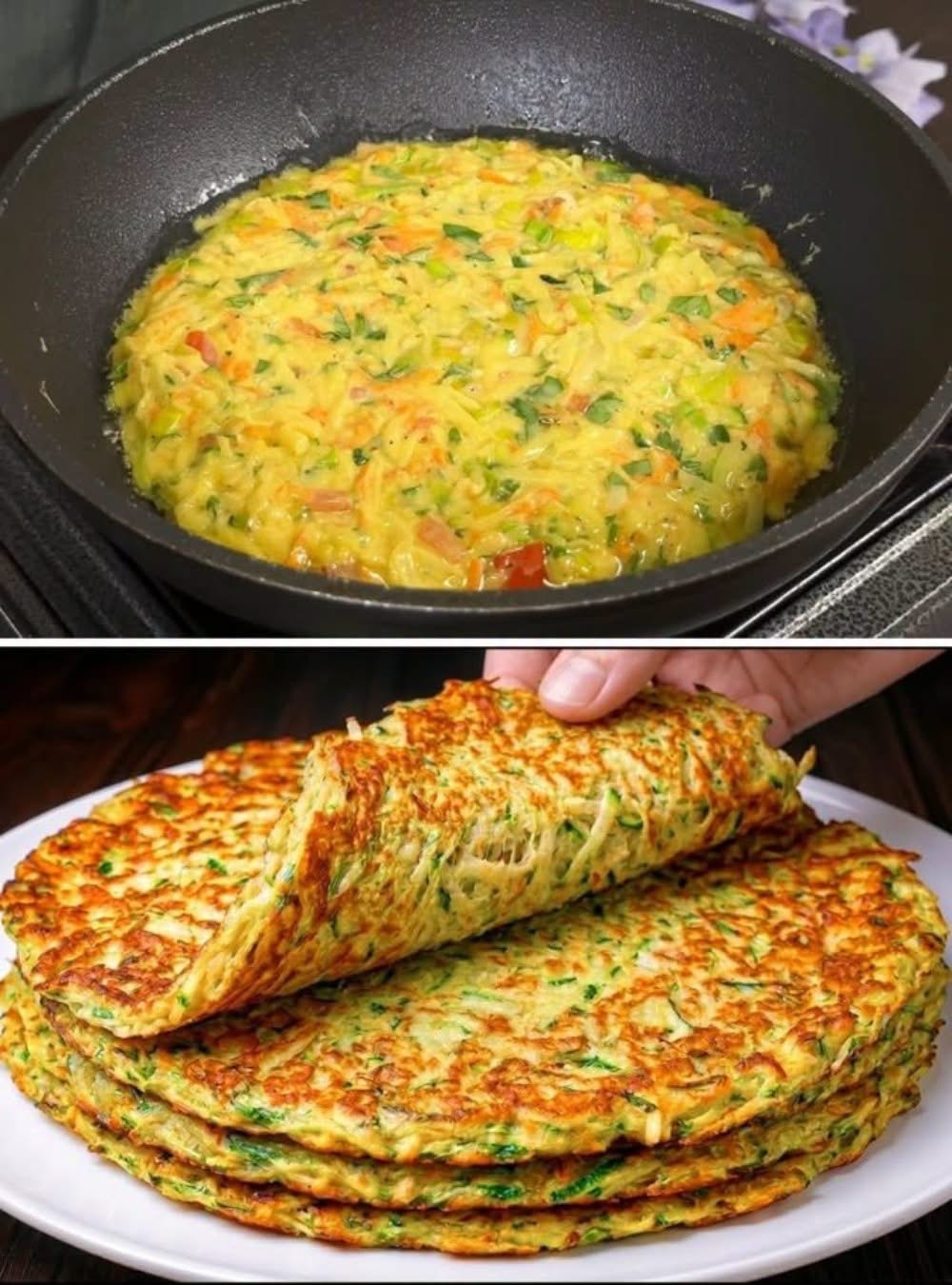
Crispy zucchini pancakes are a fast, effortless, and crave-worthy way to transform humble summer squash into a savory, golden-brown culinary masterpiece. This comprehensive guide covers everything from raw ingredients and precise culinary techniques to historical roots, nutritional profiles, and custom variations for every type of food lover.
1. Introduction: The Magic of Zucchini Pancakes
Zucchini pancakes—frequently called zucchini fritters or kolokithokeftedes in Mediterranean cuisine—represent the ultimate intersection of comfort food and healthy eating. This dish takes a vegetable often dismissed as bland and transforms it into an incredibly flavorful pancake with a shatteringly crisp exterior and a tender, meltingly soft interior.
The beauty of this recipe lies in its sheer simplicity and velocity. Requiring less than 30 minutes from cutting board to dinner plate, it provides home cooks with an elegant solution for using up a seasonal garden surplus. It works beautifully as a quick weekday breakfast, a light and refreshing lunch, a satisfying side dish, or an upscale appetizer for weekend entertaining.
By marrying shredded zucchini with aromatic herbs, rich cheeses, and just enough binding to hold it together, you create a texturally dynamic dish that pairs beautifully with cool, creamy sauces. Whether you are a seasoned home chef looking to perfect your technique or a beginner seeking a foolproof recipe, this ultimate guide will give you the knowledge, methods, and confidence to make spectacular zucchini pancakes every single time.
2. Historical Context & Cultural Roots
To fully appreciate the zucchini pancake, one must look at the history of its core ingredient and the global culinary traditions that elevated it.
The Journey of the Zucchini
The zucchini (Cucurbita pepo) is a summer squash native to Mesoamerica, where Indigenous populations cultivated it for thousands of years alongside corn and beans. However, the specific dark-green, cylindrical cultivar we know today as “zucchini” was actually bred and developed in northern Italy during the late 19th century. The Italian word zucchinatranslates literally to “little squash.” Italian immigrants subsequently introduced the vegetable back to North America in the early 20th century.
Global Iterations of Vegetable Pancakes
The concept of grating vegetables, mixing them with eggs and flour, and pan-frying them is a universal human culinary tradition designed to maximize seasonal yields:
- Eastern Europe: Known primarily for potato-based latkes or deruny, Jewish and Slavic communities quickly adapted these recipes to incorporate summer squash during warmer months when root vegetables were scarce.
- Greece: In the Aegean islands, kolokithokeftedes are a taverna staple. These traditional fritters rely heavily on local feta cheese, fresh mint, dill, and green onions, capturing the sunny, aromatic profile of the Mediterranean coastline.
- Turkey: Known as mücver, Turkish zucchini pancakes are deeply traditional. They feature grated zucchini combined with dill, parsley, eggs, flour, and occasionally white cheese, traditionally served lukewarm with a heavy dollop of garlic-infused yogurt.
- Korea: Hobak-jeon refers to thinly sliced or shredded zucchini pan-fried in a delicate egg batter. It is served with a savory soy-vinegar dipping sauce and emphasizes the natural, sweet flavor of the squash.
3. Comprehensive Ingredient Matrix
Achieving the perfect balance of crispiness and interior tenderness requires specific ingredients that perform distinct structural and flavor roles.
Primary Ingredients
- Fresh Zucchini (1 lb / approx. 2 medium squashes): Look for firm, heavy, medium-sized zucchinis with bright green, unblemished skin. Avoid oversized, woody squashes; they possess large, watery seed cavities that make the batter unmanageably soggy.
- Fine Sea Salt (1 teaspoon): Essential not just for seasoning, but for its osmotic power to draw excess water out of the grated cells.
Structural & Binding Agents
- All-Purpose Flour (1/2 cup / 60 grams): Provides the starch network necessary to bind the zucchini strands together. For gluten-free adaptations, oat flour or a 1-to-1 baking blend works perfectly.
- Large Eggs (2, lightly beaten): Act as the central emulsifier and protein binder, setting up during cooking to give the pancake structure and a rich, custardy interior.
- Baking Powder (1/2 teaspoon): Introduces a touch of leavening, ensuring the pancakes stay light and airy inside rather than dense and gummy.
Flavor Enhancers & Aromatics
- Scallions / Green Onions (3 whole, finely minced): Delivers a sweet, sharp onion bite without adding the excessive moisture of grated white onions.
- Fresh Garlic (2 cloves, grated or microplaned): Infuses the batter with an aromatic warmth that blooms beautifully when fried.
- Parmesan or Feta Cheese (1/2 cup, finely grated or crumbled): Parmesan adds a nutty, salty umami depth that crisps up on the pan’s surface. Feta offers sharp, tangy pockets of creamy flavor.
- Fresh Herbs (1/4 cup, finely chopped): A combination of dill, flat-leaf parsley, and mint elevates the flavor profile from simple to extraordinary.
- Black Pepper (1/4 teaspoon, freshly cracked): Adds a clean, contrasting heat.
Cooking Medium
- High-Smoke-Point Oil (3–4 tablespoons): Avocado oil, extra-virgin olive oil, or refined canola oil ensure a crisp crust without smoking or scorching during the frying process.
4. Step-by-Step Culinary Instructions
Follow these exact chronological steps to ensure perfect texture and flavor.
[Shred Zucchini] ➔ [Salt & Rest (10 min)] ➔ [Squeeze Liquid Out] ➔ [Mix with Aromatics & Binders] ➔ [Pan-Fry (3-4 min per side)] ➔ [Drain & Serve]
Step 1: Grating and Preparation
Thoroughly wash the zucchinis and trim off both ends. Do not peel them; the green skin adds beautiful color, essential nutrients, and structure. Using the coarse side of a standard box grater or a food processor fitted with a shredding disk, grate the zucchini into long, uniform strands.
Step 2: The Osmotic Draw (Crucial Step)
Transfer the shredded zucchini into a large colander placed over a sink or bowl. Sprinkle the sea salt evenly over the squash. Use your hands to toss the zucchini, ensuring the salt is distributed uniformly. Let it sit undisturbed for 10 to 15 minutes. The salt draws out the vegetable’s cellular water, which prevents soggy pancakes.
Step 3: Dehydration & Wringing
Wrap the salted zucchini in a clean, lint-free cotton kitchen towel, cheesecloth, or a heavy-duty nut milk bag. Gather the corners of the cloth together to form a pouch. Twist and squeeze the pouch over the sink with all your strength. You will be surprised by how much green liquid runs out. Continue squeezing until the zucchini feels dry and forms a compact, clay-like ball inside the cloth.
Step 4: Constructing the Batter
In a large mixing bowl, whisk together the eggs, minced scallions, grated garlic, chopped herbs, black pepper, and your choice of cheese. Fluff up the dry, squeezed zucchini strands and add them to the bowl, tossing to coat them thoroughly in the egg mixture. Sprinkle the flour and baking powder evenly over the top. Stir with a wooden spoon or spatula just until a cohesive batter forms. Do not overmix, or the flour will develop excess gluten and make the pancakes tough.
Step 5: Searing to Golden Perfection
Place a large non-stick skillet or heavy cast-iron skillet over medium-high heat and add 2 tablespoons of oil. Once the oil is hot and shimmering, drop portions of the batter (roughly 1/4 cup per pancake) into the pan, leaving at least an inch of space between each one to avoid crowding. Use the back of your spoon or spatula to gently press each mound into a flat, even disc roughly 1/2-inch thick.
Step 6: Flipping and Draining
Fry the pancakes undisturbed for 3 to 4 minutes. Look for the edges to turn deep golden brown and the top surface to set slightly. Carefully slide a flat spatula underneath each pancake and flip it over in a single confident motion. Fry the second side for another 3 minutes until equally golden and crisp. Transfer the cooked pancakes immediately to a plate lined with paper towels to drain any excess oil. Repeat with the remaining batter, adding more oil to the pan as needed.
5. Technical Methods for Textural Excellence
The difference between an ordinary, soggy vegetable patty and an elite, restaurant-quality zucchini pancake comes down to mastering food science techniques.
The Physics of Water Removal
Zucchini is composed of roughly 95% water by weight. If you skip the salting and squeezing steps, that water releases rapidly into the pan as soon as it hits the heat. This creates steam, which boils the pancake from the inside out and leaves you with a mushy, pale, and waterlogged texture. Removing this water concentrates the natural sugars and starches in the squash, encouraging proper Maillard browning and frying.
Heat Control Management
Keep your pan consistently around 350°F (175°C). If the pan is too cold, the batter will absorb the oil like a sponge, making the pancakes greasy and heavy. If the pan is too hot, the exterior will scorch and burn before the egg binder in the center has a chance to cook through. Adjust your stovetop dial dynamically between medium and medium-high heat throughout the cooking process.
The Oven Crisp Method (Alternative)
For cooking large batches simultaneously without standing over a hot stove, baking is an excellent alternative:
- Preheat your oven to 425°F (218°C).
- Line a heavy baking sheet with parchment paper and brush it generously with olive oil.
- Drop scoops of the zucchini batter onto the tray, flattening them slightly into uniform discs.
- Bake for 15 minutes, flip carefully with a thin spatula, and bake for an additional 10 to 12 minutes until both sides are deeply browned and crispy.
6. Nutritional Profile & Health Benefits
Zucchini pancakes are an exceptional way to sneak vitamins and minerals into a delicious, crowd-pleasing meal.
Macronutrient Breakdown (Per Serving – Approx. 3 Pancakes)
- Calories: 185 kcal
- Protein: 8 grams
- Carbohydrates: 14 grams
- Dietary Fiber: 2.5 grams
- Sugars: 2 grams
- Total Fat: 11 grams (primarily healthy unsaturated fats from olive/avocado oil)
- Cholesterol: 95 mg
- Sodium: 420 mg
Micronutrient & Antioxidant Advantages
- High in Vitamin A & C: Zucchini is rich in vitamin C and beta-carotene, which support a healthy immune system, clear skin, and eye health.
- Lutein and Zeaxanthin: These essential carotenoids concentrate in the skin of the summer squash, filtering blue light wavelengths and protecting macular health.
- Digestive Efficiency: The soluble and insoluble fiber present in zucchini feeds beneficial gut bacteria, optimizes digestion, and stabilizes blood sugar levels.
- Bioavailable Protein: Eggs deliver a complete amino acid profile, promoting muscle repair and keeping you feeling full and satisfied long after your meal.
7. Custom Variations for Every Food Lover
This versatile recipe can be easily adapted to suit different dietary needs and flavor preferences.
The Cheese Fanatic
If you love cheese, swap out standard Parmesan for a mix of sharp white cheddar, crumbled goat cheese, or smoked gouda. The pockets of cheese melt and caramelize against the hot pan, creating a crispy, lace-like cheese crust around the edges of the pancake.
The Plant-Based Vegan
To make this entirely plant-based, replace the two chicken eggs with a binder made from 2 tablespoons of ground flaxseed mixed with 5 tablespoons of warm water (allowed to sit for 5 minutes until gelatinous). Swap the traditional cheese for nutritional yeast or a dairy-free feta alternative, and use a gluten-free starch blend to bind.
The Low-Carb Keto Practitioner
For a keto-friendly option, replace the 1/2 cup of all-purpose flour with 1/3 cup of superfine almond flour combined with 1 tablespoon of coconut flour. This structural shift lowers the net carbohydrate impact significantly while providing a rich, nutty flavor profile that browns beautifully in the oil.
The Spice Enthusiast
Give your pancakes a fiery kick by mixing half a finely minced jalapeño or serrano pepper directly into the raw batter. Supplement this with 1/2 teaspoon of smoked paprika, a pinch of ground cumin, and a dash of cayenne pepper to create a warm, southwestern-inspired flavor profile.
8. Optimal Pairing, Sauces, and Presentation
A hot, crispy zucchini pancake needs a cool, contrasting element to truly shine.
Elite Dipping Sauces
- Garlic Herb Tzatziki: Combine 1 cup of thick plain Greek yogurt with 1/2 cup of finely grated cucumber (squeezed dry), 1 grated garlic clove, a squeeze of fresh lemon juice, a splash of olive oil, and plenty of chopped fresh dill.
- Spicy Sriracha Aioli: Whisk 1/2 cup of high-quality mayonnaise with 1 tablespoon of sriracha sauce, 1/2 teaspoon of pure honey, and a squeeze of lime juice for a creamy, spicy kick.
- Classic Lemon Sour Cream: Stir together 1 cup of full-fat sour cream, the zest of one lemon, a tablespoon of minced chives, and a pinch of flaky sea salt.
| Serving Scenario | Ideal Accompaniments | Suggested Beverage |
|---|---|---|
| Weekend Brunch | Poached eggs, crispy smoked bacon, and roasted heirloom tomatoes | Mimosa or Iced Matcha Latte |
| Light Summer Lunch | Crisp garden salad with radishes, cucumber, and a bright lemon-shallot vinaigrette | Crisp Sauvignon Blanc or Iced Herbal Tea |
| Savory Dinner Side | Grilled lemon-herb chicken skewers or pan-seared wild salmon | Pinot Noir or Sparkling Water with Lime |
9. Comprehensive Troubleshooting Guide
If your cooking process doesn’t go exactly as planned, here is how to quickly diagnose and fix common issues.
“My pancakes are mushy and falling apart in the pan.”
- The Cause: The zucchini was not squeezed dry enough, or there wasn’t enough flour to bind the excess moisture.
- The Fix: Remove the remaining batter from the bowl, wrap it back up in your kitchen towel, and squeeze out the excess liquid. Stir an extra tablespoon of flour into the batter before frying the next batch.
“The outside is completely burnt, but the inside is raw egg batter.”
- The Cause: Your pan’s temperature is too high. The outside cooks and burns long before heat can penetrate to the center of the pancake.
- The Fix: Lower the stovetop heat down to medium or medium-low immediately. Allow the pan to cool slightly before dropping in fresh batter. You can also press the pancakes flatter so they cook through more quickly.
“The pancakes taste bland and unexciting.”
- The Cause: Under-seasoning. Zucchini is naturally mild and absorbs a lot of salt and aromatics.
- The Fix: Don’t be shy with your salt, fresh garlic, and green onions. A generous squeeze of fresh lemon juice right over the top of hot, finished pancakes will also instantly wake up the flavors.
10. Conclusion & Final Culinary Verdict
Mastering the zucchini pancake is a fantastic milestone for any home cook. By understanding how to draw out the vegetable’s natural water and managing your pan’s heat, you can easily turn a simple summer squash into a crispy, golden-brown treat. It is a fast, flexible recipe that works just as well for an easy weeknight dinner as it does for an elegant weekend brunch.
Keep your ingredients fresh, squeeze the zucchini with all your might, and serve them straight out of the hot oil alongside a cold, creamy dipping sauce. Once you master the basic technique, feel free to experiment with different cheeses, spices, and herbs to make this timeless dish truly your own.
To help you customize your perfect batch, let me know:
- Do you prefer your pancakes with an extra-cheesy profile, or do you want to keep them light and veggie-forward?
- Are there any dietary restrictions you need to accommodate (like gluten-free or egg-free)?
- Do you plan to serve these as a main dish or a side dish?